
Pharmaceutical manufacturing facilities operate under strict regulatory standards designed to ensure product quality, patient safety, and environmental responsibility. To meet these requirements, companies must invest in technologies that support both production integrity and wastewater management. Sterile filtration systems help maintain contamination-free manufacturing processes, while modular STPs enable efficient treatment of wastewater generated during operations.
Together, these solutions play an important role in creating compliant, efficient, and sustainable pharmaceutical facilities.
In this article, we will explore how these technologies work together to support modern pharmaceutical manufacturing.
How Do Sterile Filtration Systems Support Pharmaceutical Manufacturing Compliance?
Maintaining product purity is one of the most critical responsibilities in pharmaceutical production. Even minor contamination can compromise product quality, affect patient safety, and lead to regulatory challenges. As a result, sterile filtration systems have become an essential component of pharmaceutical manufacturing operations.
Sterile filtration systems are designed to remove microorganisms and unwanted particles from liquids and gases used during production. These systems help manufacturers maintain clean process streams while protecting sensitive products from contamination risks. In biopharmaceutical environments, filtration technology is often integrated into multiple stages of production. From raw material preparation to final product processing, effective filtration supports consistent product quality and regulatory compliance.
Cobetter, founded in 2003, has established itself as a technology-driven company focused on the research and development of membrane materials. The company provides innovative filtration, separation, and purification solutions, along with single-use technologies that support the evolving needs of the biopharmaceutical industry.
By maintaining product purity and operational consistency, sterile filtration systems play a fundamental role in pharmaceutical compliance.
Why Is Wastewater Management Important in Pharmaceutical Facilities?
While pharmaceutical companies focus heavily on product quality, environmental compliance is equally important. Manufacturing activities often generate wastewater containing process residues, cleaning agents, and other substances that require proper treatment before discharge.
Regulatory authorities impose strict wastewater management requirements to protect public health and the environment. Failure to meet these standards can result in operational disruptions, financial penalties, and reputational damage. Effective wastewater treatment allows pharmaceutical facilities to reduce environmental impact while maintaining compliance with local and international regulations. Proper treatment processes help remove contaminants and ensure that discharged water meets required quality standards.
As pharmaceutical production volumes increase, wastewater treatment systems must also become more efficient and adaptable. Facilities need solutions capable of handling varying wastewater loads while maintaining consistent performance. This growing demand has encouraged many pharmaceutical companies to adopt advanced treatment technologies that improve operational efficiency and support long-term sustainability goals.
Wastewater management is no longer viewed as a separate environmental function. Instead, it has become an integrated component of responsible pharmaceutical manufacturing.
How Does a Modular STP Improve Wastewater Treatment Efficiency?
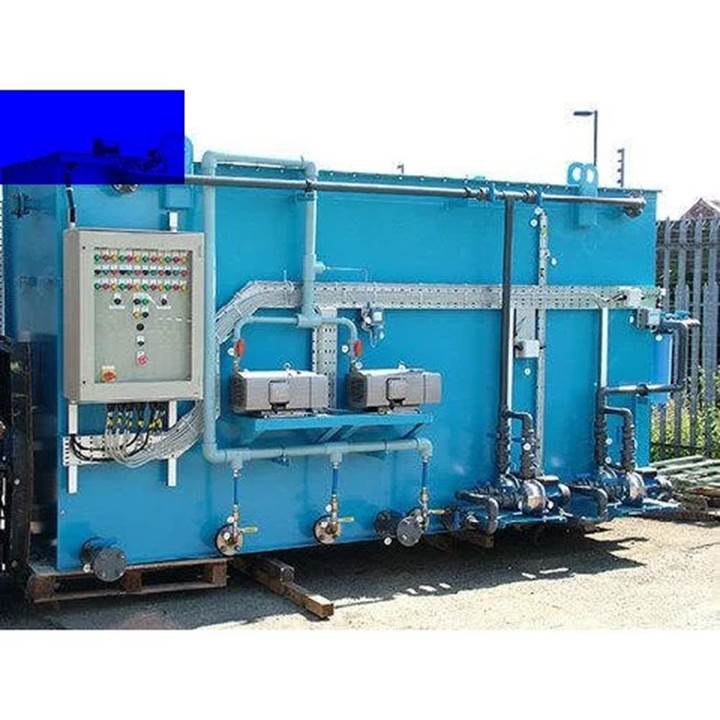
A modular STP offers a flexible and scalable approach to wastewater treatment. Unlike traditional treatment facilities that often require extensive construction and large footprints, modular systems can be deployed more quickly and adapted to changing operational requirements.
Modular STPs are designed with pre-engineered treatment units that can be integrated into existing infrastructure. This approach reduces installation time while allowing facilities to expand treatment capacity when needed. For pharmaceutical manufacturers, flexibility is particularly valuable. Production volumes may fluctuate due to changing market demands, product launches, or facility expansions. A modular STP allows organizations to adjust treatment capabilities without undertaking major reconstruction projects.
ZQQD provides modular STP solutions that support efficient wastewater treatment across various industrial applications. These systems help facilities manage wastewater while optimizing operational efficiency and reducing implementation complexity. Another advantage of modular treatment technology is maintenance efficiency. Standardized system designs simplify servicing and help ensure consistent performance over time. This reliability supports uninterrupted facility operations and regulatory compliance.

What Makes Cobetter and ZQQD Valuable Partners for Pharmaceutical Facilities?
Modern pharmaceutical operations rely on specialized suppliers that provide expertise in critical areas of manufacturing and environmental management. Strong partnerships help facilities maintain compliance while improving operational performance.
Cobetter contributes advanced filtration technologies developed through extensive research and development. Its focus on membrane materials, purification solutions, and single-use technologies helps pharmaceutical companies enhance contamination control and process efficiency. As biopharmaceutical manufacturing becomes increasingly sophisticated, filtration requirements continue to evolve. Cobetter’s technology-driven approach enables manufacturers to address these challenges while supporting regulatory expectations.
ZQQD provides modular STP solutions designed to help organizations manage wastewater effectively. Flexible treatment systems allow pharmaceutical facilities to adapt to changing production requirements while maintaining environmental compliance.
Together, these companies address two essential aspects of pharmaceutical operations. Cobetter supports product quality through sterile filtration systems, while ZQQD helps facilities manage wastewater responsibly through modular treatment technologies.
How Do Sterile Filtration Systems and Modular STPs Work Together in a Compliant Facility?
Although sterile filtration systems and modular STPs serve different purposes, they contribute to the same overarching objective: maintaining a compliant and efficient pharmaceutical operation.
Sterile filtration systems focus on protecting products and production environments from contamination. They help ensure that pharmaceutical products meet stringent quality standards throughout the manufacturing process. At the same time, modular STPs manage the wastewater generated by those manufacturing activities. They ensure that process-related water is treated appropriately before discharge or reuse.
Together, these technologies support compliance at multiple levels. Filtration systems help meet product quality requirements, while wastewater treatment systems help satisfy environmental regulations. Both functions are essential for maintaining regulatory approval and operational continuity. The integration of these technologies also supports risk management. Reliable filtration reduces contamination risks, while effective wastewater treatment minimizes environmental liabilities. This comprehensive approach strengthens facility performance and supports sustainable growth.
Rather than operating independently, both systems contribute to a unified compliance strategy that addresses the diverse challenges of modern pharmaceutical manufacturing.
Conclusion:
Pharmaceutical facilities must balance product quality, regulatory compliance, and environmental responsibility to remain competitive in today’s industry. Sterile filtration systems from Cobetter help protect manufacturing processes through advanced filtration, separation, and purification technologies, while modular STPs from ZQQD support efficient wastewater treatment and environmental compliance.
Together, these solutions create a comprehensive framework that enhances operational reliability, supports regulatory requirements, and promotes sustainable pharmaceutical manufacturing for the future.