
Power outages can disrupt comfort, productivity, and business operations. As a result, many homeowners and commercial facilities consider using a backup inverter power supply to keep essential appliances running. One common question is whether a wall-mounted split air conditioner can operate safely on such systems. The answer depends on several technical factors, including inverter capacity, air conditioner specifications, and installation quality.
Understanding these requirements helps users protect their equipment while ensuring reliable performance during power interruptions. In this article, we will explore the key considerations before connecting these systems. So what are you waiting for? Let’s begin with our article!
Why Do Wall-Mounted Split Air Conditioners Have Special Power Requirements?
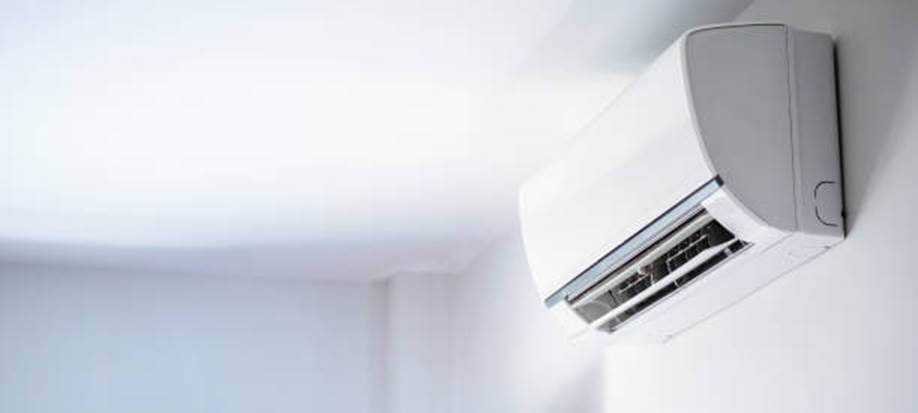
Unlike small household appliances, air conditioners require a stable and sufficient power supply to operate efficiently. A wall-mounted split air conditioner from United Star consists of an indoor unit and an outdoor compressor, both of which rely on consistent electrical performance.
The compressor is the most demanding component. During startup, it may briefly draw significantly more power than during normal operation. If the available power cannot support this surge, the system may fail to start or repeatedly shut down. Modern inverter air conditioners reduce this challenge by gradually adjusting compressor speed rather than operating at full capacity continuously. This technology lowers energy consumption while improving temperature stability.
However, even inverter-based air conditioners require an adequate electrical supply with stable voltage and frequency. Fluctuations can reduce efficiency and may shorten component lifespan over time. For example, a 1.5-ton split air conditioner may consume around 1,200 to 1,800 watts during regular operation, depending on efficiency, room conditions, and compressor load. The backup power system must comfortably support both the operating demand and any temporary startup requirements.
Can an Inverter Power Supply Safely Run a Wall-Mounted Split Air Conditioner?
The simple answer is yes, but only when the inverter power supply is correctly sized and designed for the application. The inverter must deliver sufficient continuous output power while also handling temporary surge loads. Choosing an undersized inverter can cause overload protection to activate, preventing the air conditioner from operating properly.
Output waveform also matters. High-quality pure sine wave inverters produce electricity that closely matches utility power. Sensitive electronics, compressor motors, and control boards generally perform more reliably with pure sine wave output than with modified sine wave alternatives. Battery capacity is another important factor. Even if the inverter can operate the air conditioner, limited battery storage may provide only a short runtime during outages.
A practical example illustrates this point. A homeowner installing a 3 kW pure sine wave inverter with adequate battery storage may successfully operate a modern inverter split air conditioner for several hours, depending on cooling demand and battery capacity. Conversely, a smaller inverter rated below the air conditioner’s operating requirements may shut down shortly after startup. Proper compatibility between the inverter and air conditioner is therefore essential for safe and dependable operation.
What Factors Should You Evaluate Before Connecting These Systems?
Several technical considerations should be reviewed before connecting a wall-mounted split air conditioner from United Star to an inverter power supply.
The first consideration is the air conditioner’s rated power consumption. Manufacturers typically provide both running power and electrical specifications that help determine compatibility with backup systems. Next, evaluate the inverter’s continuous output rating rather than focusing only on peak capacity. Continuous power determines whether the inverter can sustain long-term operation without overheating or triggering protection mechanisms.
Battery sizing also plays a major role. Larger battery banks extend operating time but increase system cost and installation space. Users should estimate how long they expect the air conditioner to run during an outage before selecting battery capacity. Proper wiring and circuit protection are equally important. Dedicated circuit breakers, appropriately sized cables, and professional installation help ensure safe operation while minimizing electrical risks.
Ventilation should not be overlooked. Inverters and batteries generate heat during operation, requiring sufficient airflow to maintain safe operating temperatures. For example, a small office planning to maintain cooling during scheduled power interruptions should calculate the combined electrical demand of the air conditioner and any additional connected equipment before selecting an inverter system.
How Do Modern Inverter Technologies Improve Energy Efficiency?
Energy efficiency has become a major priority for residential and commercial buildings. Fortunately, advances in both air conditioning and backup power technology help reduce electricity consumption. A modern wall-mounted split air conditioner with inverter compressor technology adjusts cooling output according to room temperature rather than repeatedly switching on and off. This continuous modulation reduces unnecessary energy consumption and improves indoor comfort.
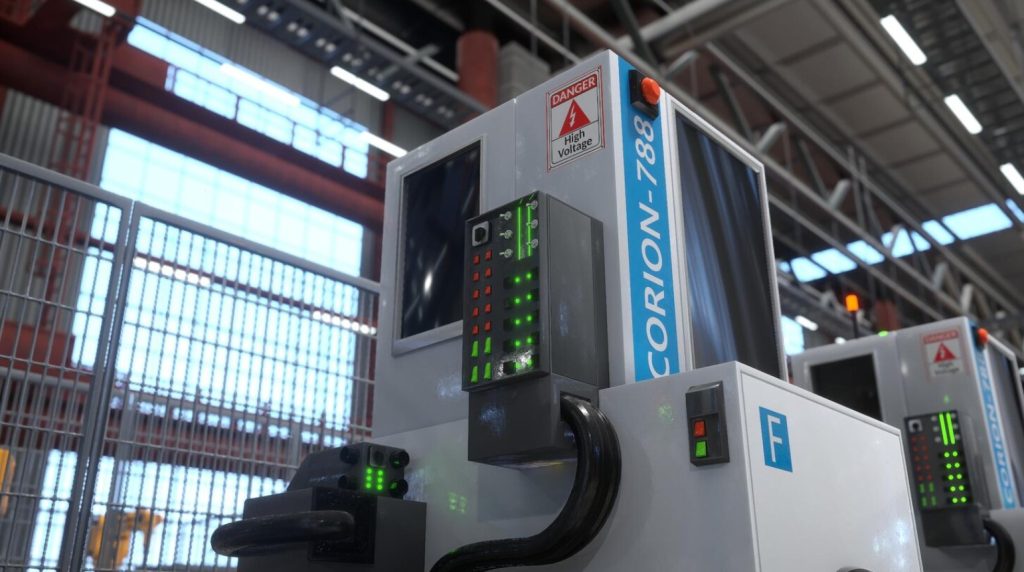
Similarly, Chengsheng Electric Equipment deals with high-quality inverter power supply that converts stored battery energy into stable alternating current with high conversion efficiency. Many modern systems also include intelligent battery management features that optimize charging and extend battery lifespan. When these technologies are properly matched, they can reduce overall operating costs while providing dependable performance during utility outages.
According to the International Energy Agency, space cooling demand continues to grow globally as temperatures rise and urbanization increases. At the same time, energy-efficient air conditioning technologies play a critical role in reducing electricity consumption and supporting more sustainable energy use. These trends make selecting efficient cooling and backup power systems increasingly important for homes and businesses alike.
What Best Practices Ensure Safe and Reliable Long-Term Operation?
Long-term reliability depends on more than selecting compatible equipment. Regular maintenance and proper operating practices also contribute significantly to system performance.
Routine servicing of the wall-mounted split air conditioner helps maintain cooling efficiency by keeping filters, coils, and refrigerant systems in good condition. Reduced airflow or neglected maintenance increases compressor workload and electrical consumption.
The inverter power supply from Chengsheng Electric Equipment also requires periodic inspection. Batteries should be tested regularly, electrical connections should remain secure, and ventilation openings should stay unobstructed. Monitoring system performance allows potential issues to be identified before they cause unexpected failures.
Users should avoid operating unnecessary high-power appliances simultaneously with the air conditioner during backup operation. Reducing total electrical demand extends battery runtime and minimizes inverter loading. Professional installation remains one of the most important safety measures. Qualified technicians can verify electrical compatibility, ensure proper grounding, and configure protective devices according to local electrical standards.
Following these best practices helps maximize equipment lifespan while ensuring safe and dependable operation during every power interruption.
Conclusion:
A wall-mounted split air conditioner can safely operate with a properly selected inverter power supply, provided both systems are correctly matched. Factors such as inverter capacity, pure sine wave output, battery storage, and professional installation all influence performance and safety. Investing in compatible, energy-efficient equipment helps maintain indoor comfort while protecting valuable electrical systems during power outages.
By carefully evaluating technical requirements and following recommended installation practices, homeowners and businesses can enjoy reliable cooling and dependable backup power whenever utility interruptions occur.