
In a busy automotive warehouse, engine cooling parts move quickly from production to shipping, where even small scratches, dust, or moisture can affect their performance. Protecting these precision components is just as important as manufacturing them. PP plastic bags have become a simple yet effective solution for keeping these parts safe during storage and transport.
This article explores why automobile engine cooling parts need proper packaging. Want more details? Let’s get into it
The Importance of Protecting Automobile Engine Cooling Parts
Automobile engine cooling parts are essential for maintaining optimal engine temperature and ensuring vehicle performance. These components include radiators, cooling fans, thermostats, water pumps, and related fittings that regulate heat flow within the engine system.
Because these parts are often made of metal, rubber, and precision-engineered materials, they are vulnerable to environmental damage. Dust, moisture, and physical contact during transportation can lead to corrosion, scratches, or contamination. Even minor defects can impact cooling efficiency and reduce engine reliability.
Manufacturers such as Nayson Parts understand that maintaining product integrity during logistics is just as important as production quality. Proper packaging ensures that every component reaches the customer in optimal condition.
Why Packaging Matters in Automotive Supply Chains?
The automotive supply chain is complex, involving multiple stages such as manufacturing, warehousing, transportation, and final assembly. At each stage, engine cooling parts may be handled multiple times, increasing the risk of damage or contamination.
Packaging is the first line of defense against these risks. It protects parts from moisture, dust, oil residue, and mechanical impact. It also helps organize inventory, improve handling efficiency, and reduce losses caused by damaged goods.
For global manufacturers and suppliers, consistent packaging standards are essential. This is where PP plastic bags offer a practical and cost-effective solution.
What Are PP Plastic Bags?
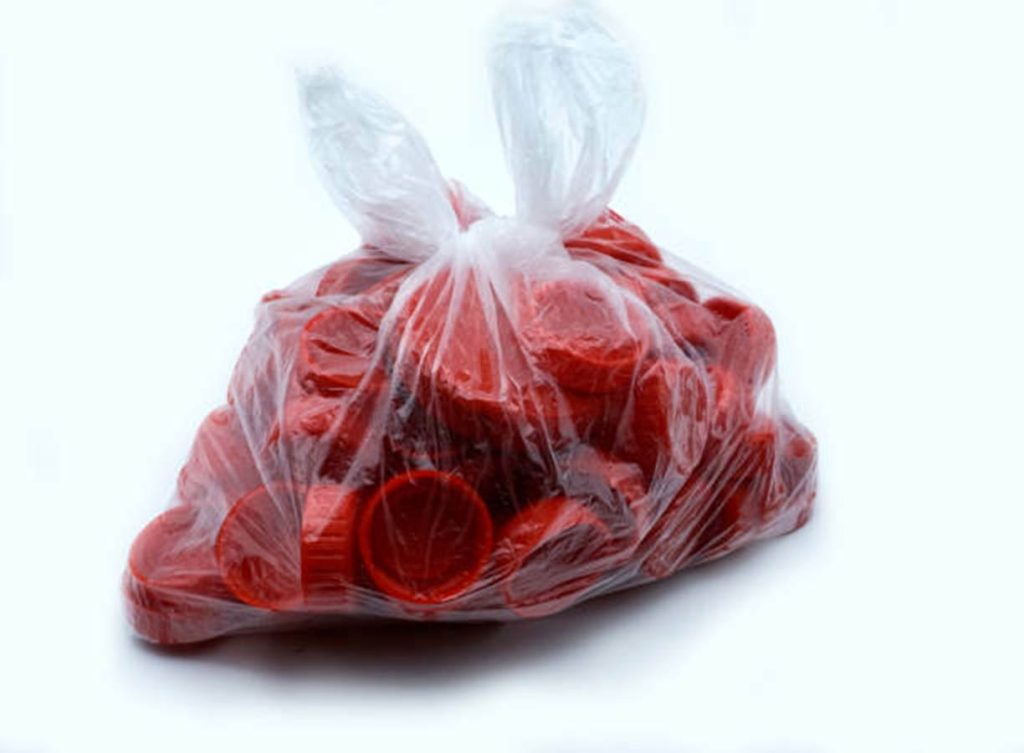
PP plastic bags are packaging bags made from polypropylene, a strong and lightweight plastic material. They are widely used in industrial and commercial packaging because they offer good transparency, moisture resistance, and durability. These bags help protect products from dust, dirt, and light damage during storage and transport. PP plastic bags are commonly used for food, automotive parts, textiles, and general goods, making them a versatile and cost-effective packaging solution.
What Makes PP Plastic Bags Ideal for Engine Cooling Parts?
PP plastic bags, made from polypropylene material, are widely used in industrial packaging due to their durability, flexibility, and resistance to moisture. These properties make them highly suitable for protecting automotive components during shipping and storage.
One of the key advantages of PP plastic bags is their ability to create a clean barrier between the product and external contaminants. This is especially important for automobile engine cooling parts, which must remain free from dust and corrosion before installation. Another benefit is transparency. PP plastic bags allow easy visual inspection of parts without opening the packaging. This helps warehouse staff quickly identify components and reduces handling time.
HiYang Packaging specializes in providing PP plastic bag solutions designed for industrial applications. Their packaging materials support manufacturers in maintaining product safety while improving logistics efficiency.
How PP Plastic Bags Protect Automobile Engine Cooling Parts?
When automobile engine cooling parts are shipped without proper protection, they are exposed to multiple risks. Metal surfaces may oxidize, rubber components may degrade, and precision parts may become contaminated with dust or oil particles.
PP plastic bags help mitigate these risks by providing a sealed protective environment. They act as a physical barrier against moisture and airborne particles. In addition, they reduce friction between parts during transport, preventing scratches and surface damage.
For example, radiators and water pumps supplied by companies like Nayson Parts require clean and undamaged surfaces to function properly. Packaging them in PP plastic bags ensures that they remain in factory condition until they reach assembly lines or end users.
Why Automotive Manufacturers Prefer PP Plastic Bags?
Automotive manufacturers and suppliers choose PP plastic bags for several practical reasons. First, they offer reliable protection at a low cost, making them suitable for large-scale distribution. Second, they are versatile and can be used for different types of engine cooling parts, regardless of size or shape.
Third, PP plastic bags are compatible with automated packaging systems, which helps improve production efficiency. Finally, they contribute to sustainability goals, as polypropylene materials can often be recycled depending on regional facilities.
Nayson Parts benefits from these advantages by ensuring that its automobile engine cooling parts reach customers in excellent condition, while maintaining efficient packaging workflows.
The Role of HiYang Packaging and Nayson Parts in Industry Standards
The collaboration between component manufacturers and packaging suppliers is essential for maintaining high industry standards. Nayson Parts focuses on producing reliable automobile engine cooling parts that meet performance requirements, while HiYang Packaging provides protective solutions that ensure safe transportation.
Together, they contribute to a more efficient and reliable automotive supply chain. Their combined focus on quality and protection highlights the importance of aligning manufacturing and packaging strategies.
The Future of Automotive Packaging Solutions
As the automotive industry continues to evolve, packaging requirements will also become more advanced. Electric vehicles, lightweight materials, and globalized supply chains are increasing the demand for better protection and smarter logistics solutions.
PP plastic bags are likely to remain a key packaging option due to their adaptability and cost efficiency. However, future innovations may include enhanced barrier properties, smart labeling systems, and improved recyclability.
Companies like Nayson Parts and HiYang Packaging are expected to play a role in this evolution by continuing to refine how automotive components are packaged and delivered worldwide.
Conclusion:
Automobile engine cooling parts require reliable protection during shipping to maintain performance and quality. PP plastic bags provide an effective solution by offering moisture resistance, contamination protection, and cost-efficient handling. With support from manufacturers like Nayson Parts and packaging specialists such as HiYang Packaging, the automotive industry can ensure safer logistics, reduced damage, and higher customer satisfaction across global supply chains.