
What Aerosol Spray Manufacturing Equipment Actually Includes (And Why the Full Setup Matters)
Most buyers assume “aerosol spray manufacturing equipment” means a filling machine and maybe a capper. That assumption will cost you — sometimes literally, when you’re six weeks into production and realize you’re missing a critical piece of the line.
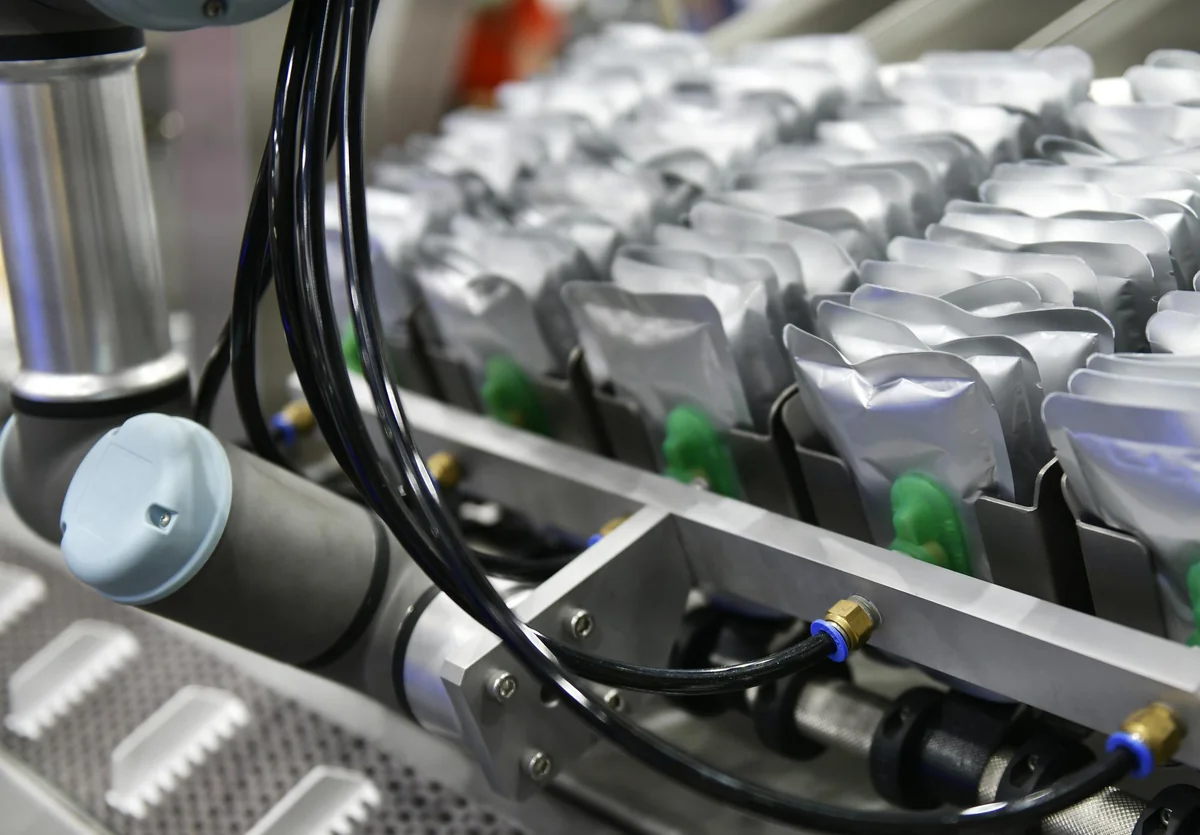
The full setup is a system. Every component depends on the one before it, which is why sourcing decisions made in isolation tend to fall apart under real production conditions. So here’s what a complete line actually includes, broken down honestly.
- Concentrate preparation vessels — where your formula is mixed, heated, or blended before it ever touches a can. Temperature control and material compatibility (stainless vs. coated) matter a lot here.
- Can feeding and depalletizing units — automated or semi-auto systems that orient and stage empty cans. Skipping this creates a bottleneck almost immediately at any volume above 2,000 units per shift.
- Liquid filling stations — the core of any aerosol spray manufacturing equipment setup. Piston-fill, flow-meter, or weight-based — each has tradeoffs depending on viscosity and fill accuracy requirements.
- Valve placement and crimping machines — crimping tolerances are tighter than most people expect. A bad crimp at 50 PSI is a liability issue, not just a quality one.
- Gas charging (propellant filling) stations — LPG, DME, compressed air, nitrogen — the propellant type changes everything about your safety classification and equipment spec.
- Water bath leak testing systems — standard in most regulatory environments, often overlooked by first-time buyers until an audit flags it.
- Actuator and cap fitting units — small machines, big impact on final presentation and spray performance.
- Labeling and coding equipment — batch codes, barcodes, regulatory text. Aile and similar component suppliers often integrate this at the end of the line.
- Palletizing and shrink-wrap stations — the exit point. Ignored until you’re shipping and realize manual packing is destroying your per-unit labor cost.
And here’s the thing nobody says upfront: the machines themselves are only part of the equation. Compressed air infrastructure, explosion-proof electrical classifications, ventilation specs — these are prerequisites, not afterthoughts. A line running in a non-compliant space is a line waiting to be shut down.
Not glamorous. But real.
Aile Filling Lines and Core Machinery: How the Production Chain Fits Together
So here’s where the rubber meets the road — or more accurately, where the propellant meets the can. Understanding individual machines is one thing. Seeing how they connect into a functional production chain is what separates buyers who get it right from those who end up with a bottleneck at station three and a very expensive piece of idle equipment downstream.
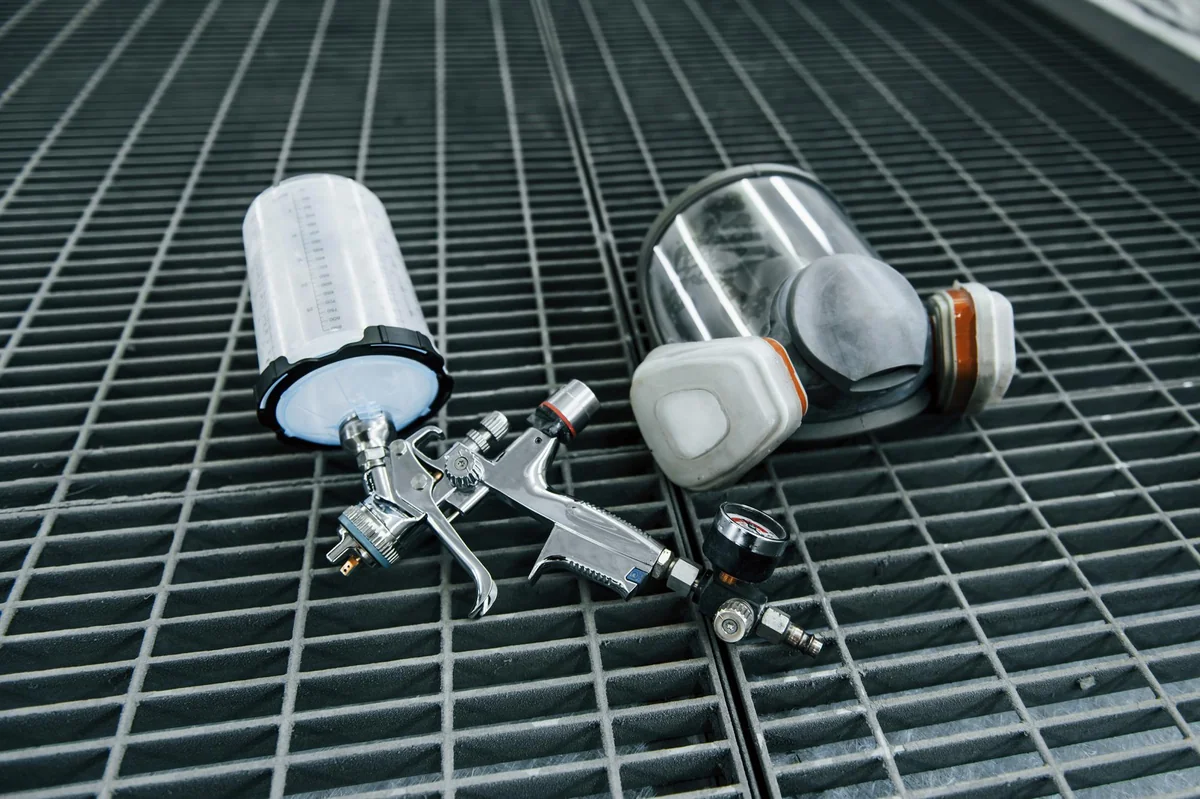
Aile filling lines are designed around a core sequencing logic: can feeding flows into filling, filling flows into gassing, gassing flows into seaming and valve crimping, then the line exits through cap fitting and coding. That’s the spine. Everything else — conveyors, reject sensors, leak-detection checkpoints — is connective tissue. Miss a link and you don’t just slow down, you stop.
The filling and gassing stages are where most of the precision lives. A rotary filling carousel running at, say, 60 to 120 cans per minute has to synchronize with the propellant injection unit within tight tolerances — we’re talking fill-weight variance held to under ±0.5 grams on a well-calibrated aerosol spray manufacturing equipment setup. That’s not a marketing number. That’s what the difference between compliant product and rejected batch looks like in practice.
But the integration question goes deeper than speed matching. Aile and suppliers operating at a similar tier build their lines to accept different valve types — continuous-valve, metered-dose, tilt-actuated — without requiring a full mechanical overhaul between product runs. That flexibility matters enormously if you’re running multiple SKUs. Changeover time is real money.
Honestly, the part that catches buyers off guard most often is the upstream prep equipment. Propellant storage, pressure regulation, temperature-controlled filling rooms (aerosols are typically filled between 15°C and 20°C to manage vapor pressure) — none of this shows up in a standard aerosol spray manufacturing equipment quote, but all of it is load-bearing infrastructure for the line to perform.
A few integration points worth tracking during any line evaluation:
- PLC compatibility — can the filling unit talk to your gassing station, or are you managing them as isolated systems?
- Reject handling — automated checkweighers mid-line versus end-of-line manual inspection. Big throughput difference.
- Valve orientation sensors — cheap to add at spec stage, expensive to retrofit.
The chain only works as a chain. Simple as that.
Choosing the Right Aerosol Spray Can Production Equipment for Your Output Volume
Output volume is the variable that changes everything else. Not your product formula, not your can size — the volume. A facility running 8,000 cans per day has almost nothing in common, equipment-wise, with one pushing 80,000.
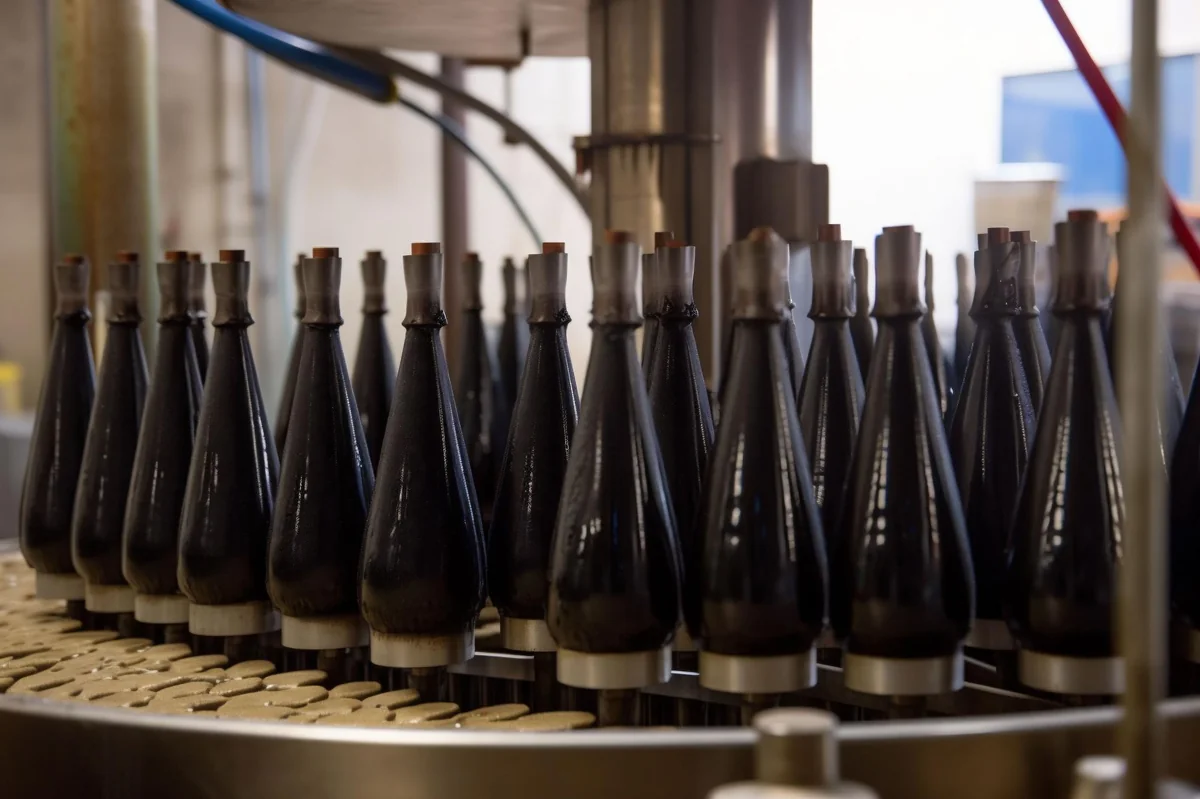
So here’s a rough way to think about it. Semi-automatic aerosol spray manufacturing equipment — the kind where operators hand-load cans and manually trigger fills — typically tops out somewhere around 20–30 cans per minute on a good day. That’s workable for contract fillers doing short specialty runs, or for brands still in market-testing mode. But the moment you’re staring down a retail launch with committed shelf space, that throughput ceiling becomes a real problem fast.
Fully automatic rotary filling lines (some running 200+ cans per minute) are a different category entirely — different floor space requirements, different compressed air demand, different staffing model. Aile and similar equipment configurations built for high-speed continuous production also require more disciplined upstream logistics: your can feed, your valve hopper, your propellant supply all have to keep pace or the whole line starves. And a starved line on a rotary machine is expensive idle time.
A practical starting framework for matching aerosol spray manufacturing equipment to your output needs:
- Under 15,000 cans/day — semi-automatic or single-head automatic lines; lower capital outlay, easier maintenance, acceptable for SKU variety
- 15,000–60,000 cans/day — linear automatic systems with integrated checkweighing; the sweet spot for mid-scale contract operations
- 60,000+ cans/day — rotary high-speed platforms; justify the investment only if volume is consistent, not seasonal spikes
One thing buyers routinely underestimate: changeover time. A line that runs fast but takes four hours to switch between can diameters will destroy your efficiency numbers on mixed-SKU production. Suppliers working with export-focused manufacturers — the kind coordinating OEM specifications across multiple regional markets — will tell you changeover flexibility often matters more than peak speed on paper.
Match the machine to your realistic daily volume. Not your aspirational one.
Quality Control and Compliance Built Into Your Aerosol Manufacturing Equipment Setup
Here’s what separates a line that passes inspection from one that gets flagged at customs: the equipment itself has to be built with compliance as a non-negotiable baseline, not an afterthought. You can’t bolt on quality control later. It doesn’t work that way.
Modern aerosol spray manufacturing equipment integrates checkweighing, pressure validation, and valve-sealing verification into the production flow. Not as optional add-ons. As core functions. The machines doing this well — the ones that actually prevent defects instead of just catching them — run simultaneous checks at multiple points. Weight sensors verify fill accuracy within 0.5 grams. Pressure gauges confirm propellant ratios in real time. Seal testers catch leaks before cans ever leave the line.
And here’s the thing about regulations: they vary wildly by destination market.
A batch headed to North America faces EPA aerosol propellant restrictions. Europe demands CE marking compliance plus strict VOC limits. Australia has its own pressure vessel standards. China-based suppliers coordinating export orders — the ones handling OEM specifications across multiple regions — need equipment flexible enough to adjust parameters without a complete rebuild. That’s where Aile systems and comparable platforms earn their reputation. They’re designed for that exact scenario: regional compliance without line downtime.
Pressure testing deserves its own mention. Most regulatory bodies require documented proof that every sealed container meets minimum and maximum pressure tolerances. Inline pressure testers do this automatically, logging data for traceability. Miss this step and you’re vulnerable to batch recalls, which cost money you won’t recover (and damage trust you definitely won’t recover).
- Checkweighing systems — ±0.5g accuracy, critical for fill-level compliance across jurisdictions
- Valve crimping stations with torque monitoring — prevents leaks and meets seal integrity standards
- Pressure validation sensors — logs every container, creates audit trail for regulatory submission
- Metal detection or X-ray inspection — catches contaminants before packaging
Budget for this. Integrated quality control adds 15–25% to equipment costs upfront. But a single failed batch recall costs exponentially more. Talk to suppliers who’ve already built compliance into their aerosol spray manufacturing equipment. They’ll show you exactly where corners shouldn’t be cut.
Conclusion
The spec sheet matters less than the integration. You can buy best-in-class filling heads, crimping stations, and inline sensors — and still end up with a line that fights itself if nobody thought through how those pieces talk to each other.
Get that right first. Then build around it.
Buyers sourcing aerosol spray manufacturing equipment should push suppliers hard on two things: validated compliance documentation and post-installation support. Equipment that ships with proper audit trails and responsive technical coordination will save you far more than it costs — especially the first time a regulatory inspection shows up unannounced.
Frequently Asked Questions
Q: What does aerosol spray manufacturing equipment actually include?
A: It’s more than just filling machines — a full line covers product filling heads, valve crimping stations, propellant injection systems, leak detection units, and conveyor integration. Some buyers don’t realize the gassing equipment (where the propellant gets charged) is often sourced separately from the liquid filling side, which is where integration headaches start.
Q: How much does a commercial aerosol filling line cost?
A: Entry-level semi-automatic setups start around $15,000–$40,000 USD. A fully automated, high-speed aerosol spray manufacturing equipment line capable of 100+ cans per minute can run $200,000 to well over $500,000 once you factor in crimping, gassing, and inline quality control systems.
Q: How long does it take to get aerosol spray manufacturing equipment installed and running?
A: Budget 8–16 weeks from order confirmation to first production run — and that’s if everything goes smoothly. Custom configurations, import clearance delays, or facility prep issues (electrical, compressed air, ventilation) can push that timeline past six months without much warning.
Q: Why does crimping pressure matter so much in aerosol production?
A: A bad crimp is a liability, not just a defect. If the valve seat isn’t sealed within spec — typically a crimp diameter tolerance of ±0.05mm — you get propellant loss, product contamination risk, and cans that can fail pressure tests. Regulatory inspectors check crimp records, so inconsistent crimping shows up fast in an audit.
Q: Can aerosol spray manufacturing equipment handle multiple formulas on the same line?
A: Most modern lines are designed for quick changeovers, but “quick” is relative — switching between water-based and solvent-based formulas requires full purging and sometimes different seal materials. If multi-product flexibility is a core requirement, flag it before sourcing; it affects head design, CIP (clean-in-place) capability, and what valves you spec.
Q: Is used or refurbished aerosol equipment worth buying?
A: It can be, but the risk lives in the propellant-side components — gassing heads and pressure regulators degrade in ways that aren’t obvious on visual inspection. Get a full service history and insist on a witnessed test run before committing. Reputable OEM suppliers like those coordinating export orders through Shenxianhu will often rebuild and re-certify equipment to current standards, which is a different proposition than buying blind off a secondary market listing.
Q: What certifications should aerosol spray manufacturing equipment comply with?
A: For European markets, CE marking and compliance with ATEX directives (for explosive atmosphere zones) are non-negotiable. U.S. buyers need to check DOT and OSHA flammability handling standards. Always ask suppliers for documented compliance records — not just claims on a spec sheet — because that paperwork is exactly what a regulatory inspection will demand first.
Q: How do I know if a supplier actually understands aerosol spray manufacturing equipment or is just reselling it?
A: Ask them two things: what’s the maximum allowable propellant fill pressure your system is rated for, and what’s your post-installation support protocol if we have a crimping variance issue at week three? A reseller will go quiet or pivot to brochures. A real equipment partner — the kind with actual technical coordination built into their process — will answer both without hesitation. Related reference: 科普外链.