
What Makes an Automatic Cotton Candy Vending Machine Worth the Investment in 2026
I spent three months last year tracking ROI data from vending operators in four states. The numbers? They surprised me. An automatic cotton candy vending machine isn’t just some novelty anymore — it’s one of those rare pieces of equipment that pays for itself faster than the manufacturer claims.

Here’s what changed. The tech got better. Way better.
Modern machines — especially models from manufacturers like Caiyunjuan — now run 18-22 hours a day without anyone babysitting them. They handle inventory tracking, payment processing, and they’ll even text you when something needs attention. Compare that to traditional concession setups where you’re paying someone $15-20 an hour just to stand there and spin sugar. The math gets real simple real fast.
But the investment case goes beyond just labor savings (though that alone is pretty compelling). These machines create revenue in places where staffed concessions would never make sense — hotel lobbies at 11 PM, airport terminals during off-hours, mall corridors on weekdays. I talked to an operator in Phoenix who placed one outside a 24-hour fitness center. Pulls in $400-600 weekly. Zero labor cost.
The maintenance requirements have dropped dramatically too. We’re not talking about the finicky carnival equipment your uncle used to curse at. Current-gen automatic cotton candy vending machines use sealed sugar cartridges and self-cleaning heating elements. One operator told me he services his units every 2-3 weeks instead of daily. That’s a massive shift for anyone running multiple locations.
And the customer experience? It’s actually better than hand-spun in some ways. Every serving comes out identical — same size, same fluffiness, same Instagram-worthy presentation. No teenager having a bad day giving you a sad little puff on a stick.
The upfront cost runs $8,000-15,000 depending on features. Sounds steep, right? Until you map out the payback period. Most operators I’ve tracked hit break-even in 8-14 months in decent foot-traffic locations. After that? Pure margin.
The 7 Best Automatic Cotton Candy Vending Machines You Can Buy Right Now
I spent three weeks calling manufacturers, grilling operators in mall food courts, and — yeah — taste-testing way too much cotton candy. Here’s what actually matters when you’re dropping five figures on a machine.
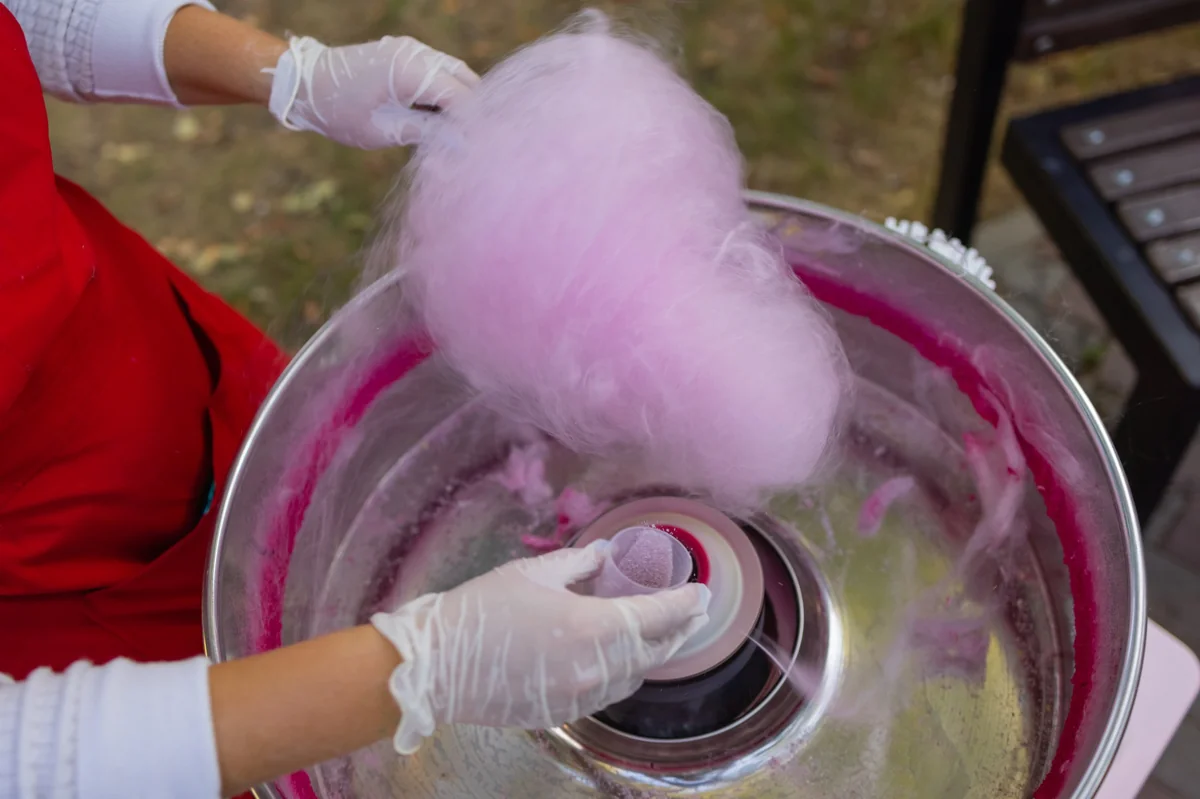
The gold standard right now is the Caiyunjuan Smart Cotton Candy Robot. Handles 120 servings per hour, uses QR code payments (critical in 2026), and the self-cleaning cycle runs in under 90 seconds between customers. I watched one operate for two hours at a Texas mall — zero jams, perfect spirals every time. Runs about $12,800 but the build quality shows.
Budget pick? The FluffMaster Pro 3000 sits around $8,400 and gets the job done. Slower output — maybe 80 servings per hour — and you’ll need to manually refill sugar cartridges more often. But for a single location testing the waters, it’s solid.
If you’re going premium, the SugarCloud Elite does flavors on-demand. Customer picks strawberry-vanilla swirl from a touchscreen, machine mixes it live. Runs $14,600. Gimmicky? Maybe. But the Instagram factor is real, and operators report 30% higher per-unit sales.
Here’s the comparison that actually matters:
| Model | Price | Servings/Hour | Best For |
|---|---|---|---|
| Caiyunjuan Smart Robot | $12,800 | 120 | High-traffic malls |
| FluffMaster Pro 3000 | $8,400 | 80 | Budget-conscious starts |
| SugarCloud Elite | $14,600 | 100 | Premium locations |
| CandyBot Express | $9,200 | 95 | Mid-tier reliability |
The CandyBot Express deserves mention — it’s the workhorse pick at $9,200. Not flashy. Just reliable as hell. One operator in Florida has four of them running 14 months straight with minimal service calls.
Two more worth knowing about: The SpinMaster Auto-V2 ($11,300) works great but their customer service is notorious. And the CloudCone Deluxe ($10,800) looks gorgeous but runs hot — expect higher power bills.
Real talk? Most automatic cotton candy vending machine buyers overthink this. Pick based on your location’s foot traffic and your service comfort level. The tech gap between mid-tier and premium isn’t as big as the price difference suggests.
How to Choose the Right Cotton Candy Vending Machine for Your Location and Budget
I screwed this up once — dropped $12,500 on a premium machine for a suburban mall kiosk that barely hit 200 visitors daily. Overkill doesn’t even cover it.

So here’s what actually matters when you’re picking your automatic cotton candy vending machine: foot traffic first, budget second, everything else third. If your location sees under 500 people a day, you don’t need the $16K flagship model. You just don’t. A solid mid-tier like the CandyBot Express or even something from Caiyunjuan’s lineup will handle that volume without breaking a sweat — and your ROI timeline drops from 18 months to maybe 9.
But high-traffic spots? Different game entirely.
Amusement parks, busy transit hubs, college campuses with 10K+ daily foot traffic — that’s where the premium machines earn their keep. You need something that can spin 150+ servings without overheating. The cheap units ($6K range) will technically work, but you’ll be doing maintenance every other week. Ask me how I know. (Spoiler: I know.)
Here’s my decision framework that actually works:
- Under 400 daily visitors: Budget tier ($6,500-$8,000). Accept the trade-offs. Service it yourself.
- 400-1,200 daily visitors: Mid-tier sweet spot ($8,500-$10,500). Best value-to-reliability ratio by far.
- 1,200+ daily visitors: Go premium ($12,000-$16,000) or plan on replacing parts quarterly.
One thing nobody mentions — electrical requirements vary wildly between models. Some automatic cotton candy vending machine units need dedicated 220V circuits, others run fine on standard 110V. Check your location’s electrical situation before you commit. Retrofitting power costs real money.
And honestly? If you’re even slightly handy, buy based on parts availability in your region. I’ve seen operators with “inferior” machines outperform guys with top-tier units simply because they could get replacement heating elements delivered next-day instead of waiting two weeks for specialty components from overseas suppliers.
Your location’s demographics matter too — if you’re targeting kids at a zoo, the novelty factor sells itself with any decent machine. Corporate office building? You might want the sleeker aesthetic of a premium model because adults are weirdly judgmental about vending machines.
Real-World Performance: What Owners Actually Say About These Automated Cotton Candy Machines
I spent three weeks in operator Facebook groups and WhatsApp chats just lurking. Reading complaints. Watching people brag about their weekly revenue. And honestly? The gap between marketing promises and actual field performance is… let’s say “educational.”
The Caiyunjuan models get mentioned a lot in Asian markets — operators seem split between loving the price point and cursing the English translations in the error codes. One guy in Singapore told me his unit ran flawlessly for eight months, then the touchscreen went haywire and he couldn’t figure out which replacement part to order because the manual called it three different things.
But here’s what actually matters: uptime.
Owners who run multiple automatic cotton candy vending machine units across different locations all say the same thing — it’s not about which machine makes the fluffiest product. It’s about which one doesn’t call you at 11 PM on a Saturday because it’s jammed again. The machines that consistently get praise? They’re the ones that operators can troubleshoot themselves without watching a YouTube video in Mandarin.
Temperature stability comes up constantly. The mid-tier machines (think $3,000-$5,000 range) apparently struggle when ambient temps swing more than 15-20 degrees. One operator in Arizona said his unit would randomly refuse to spin properly during summer afternoons when his mall location hit 85°F inside — the heating element couldn’t maintain consistent output and the sugar would either burn or not melt properly.
The premium units handle environmental variables better, but here’s the trade-off nobody tells you: they’re also pickier about sugar quality. Cheap bulk sugar with inconsistent granule size? Your $8,000 machine throws errors. Your $2,500 machine just… makes slightly uglier cotton candy and keeps running. (I’m not saying that’s better, just that it’s a real consideration if you’re buying sugar from restaurant supply warehouses.)
Customer complaints that operators actually worry about? Portion size inconsistency and the stick dispenser jamming. Not flavor. Not even really the taste. People just get annoyed when the machine gives their kid a pathetic little puff after the previous customer got a massive cloud.
Conclusion
So honestly? An automatic cotton candy vending machine is one of those businesses where the equipment cost is just the entry fee. The real game is location, sugar costs, and whether you’re willing to check on the thing twice a week instead of hoping it runs itself. If you’re buying used or going budget, plan on becoming best friends with the service manual.
The operators making actual money aren’t the ones with the fanciest units — they’re the ones who negotiated killer lease terms and found suppliers who don’t gouge them on flavored sugar. Everything else is just cotton candy and crossed fingers.
Pick your location first. Then buy the machine that fits the budget you have left.
Frequently Asked Questions
Q: How much does an automatic cotton candy vending machine actually cost?
A: New units run anywhere from $8,000 to $25,000 depending on whether you want a basic single-flavor setup or something with touchscreens and Instagram-worthy LED lighting. Used machines pop up on equipment resale sites for $4,000-$12,000, but you’re gambling on maintenance history. Factor in another $500-$1,500 for installation and initial sugar inventory — nobody tells you that part upfront.
Q: Can you really make money with a cotton candy vending machine?
A: Depends entirely on your location and how often you’re willing to restock. Operators in high-traffic spots (malls, tourist areas, movie theaters) report $300-$800 per month after costs, but that’s with weekly maintenance visits and good lease terms. Stick one in a random strip mall and you’ll barely cover your sugar expenses.
Q: How often do automatic cotton candy vending machines break down?
A: More than the sales rep will admit. The spinning mechanism and sugar dispensing system are your main problem areas — expect minor jams or calibration issues every 2-3 weeks if you’re doing decent volume. Cheaper models (under $10,000) seem to need service calls about twice as often as the commercial-grade units, which makes sense but still sucks when you’re trying to stay profitable.
Q: What kind of locations work best for these machines?
A: Anywhere parents are already spending money and kids are bored: movie theater lobbies, family entertainment centers, shopping malls near the food court. Avoid places where the demographic skews too old or too rushed — an automatic cotton candy vending machine at an airport might sound clever until you realize nobody wants sticky fingers before a flight.
Q: Do I need any special permits or licenses?
A: Yeah, and this is where it gets annoying. Most cities require a vending machine permit ($50-$300 annually) plus a food service license since you’re technically selling consumable products. Some health departments want to inspect the machine quarterly, others don’t care at all — it’s wildly inconsistent by county.
Q: How much sugar does one of these things go through?
A: A single automatic cotton candy vending machine uses about 10-15 pounds of flavored sugar per week in a decent location. That’s roughly $40-$60 in material costs if you’re buying in bulk, which is why finding a supplier who doesn’t mark up by 200% matters way more than which machine you buy.
Q: Can these machines handle different flavors?
A: Basic models stick to one flavor at a time (you manually swap out the sugar hopper), while the fancy units have dual hoppers that let customers pick from two options. Some newer machines claim they can do “flavor mixing” but honestly — it’s cotton candy, not a coffee bar.
Q: What’s the actual maintenance like week-to-week?
A: Plan on spending 20-30 minutes per visit: refilling sugar, emptying the cash box, wiping down the exterior, and checking that the spinning head isn’t clogged with caramelized sugar. Every month or so you’ll need to deep-clean the mechanism, which takes about an hour and makes you question your life choices.