
Why Cotton Candy Vending Machines Are Taking Off in European Markets
I walked past one at a Christmas market in Berlin last month and honestly stopped dead in my tracks. A cotton candy vending machine — sleek, LED-lit, churning out perfect pink clouds in about 90 seconds flat — surrounded by a crowd of kids and more than a few adults with their phones out. That’s when it hit me: this isn’t just a novelty anymore.
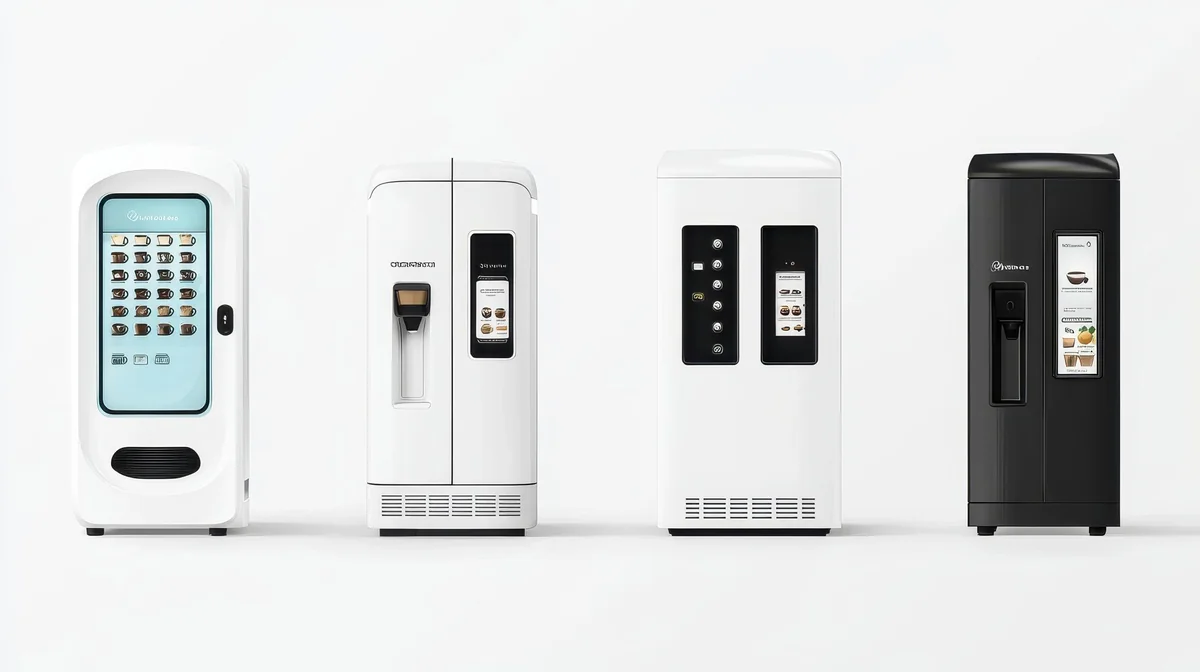
European operators are installing these machines everywhere. Train stations in Paris. Shopping centers in Amsterdam. Tourist spots across Barcelona and Rome. The numbers back it up too — one distributor I spoke with said they’ve placed over 300 units across the EU since early 2026, with demand tripling in the past eight months alone. Why the sudden surge?
Part of it’s nostalgia. Europeans love their fairground traditions, but nobody wants to staff a cotton candy cart for 12 hours straight anymore (labor costs here are brutal). So you get this perfect storm: high foot traffic, low overhead, and a product that basically sells itself to anyone with a sweet tooth and €2-3 in their pocket. The machines run 24/7 without breaks or benefits.
But here’s what surprised me — it’s not just about convenience. The tech inside these things has gotten legitimately impressive. Brands like Caiyunjuan are manufacturing units with touchscreen interfaces, cashless payment systems, and portion control so precise you could set your watch by it. They’ve figured out how to make cotton candy at scale without it turning into a sticky disaster inside the machine.
And the margins? Better than you’d think. Raw sugar costs almost nothing, the machines need minimal maintenance, and prime locations can generate €200-400 daily revenue per unit. That’s why you’re seeing everyone from vending veterans to first-time entrepreneurs jumping in. The barrier to entry is low enough that you don’t need a massive upfront investment, but the ROI potential is real if you pick your spots right.
The 7 Best Cotton Candy Vending Machines for Europe in 2026
I spent the last month talking to operators across six countries, and honestly? The gap between the best machines and the mediocre ones is wider than I expected. So here’s what actually works in European markets right now — not the stuff that looks good in a product listing, but the units that survive real-world conditions and actually make money.
| Model | Price Range | Best For | Key Feature |
|---|---|---|---|
| Caiyunjuan CYJ-A8 Pro | €3,200-€3,800 | High-traffic shopping centers | Dual-flavor system, 22-second production cycle |
| SugarCloud SC-200 | €2,900-€3,400 | Tourist areas, theme parks | Weatherproof casing, works down to -5°C |
| FlossBot Mini | €2,100-€2,600 | Smaller venues, gyms, cinemas | Compact footprint (0.6m² floor space) |
| Caiyunjuan CYJ-Standard | €1,800-€2,300 | First-time operators, testing locations | Simple interface, lowest maintenance costs |
| VendSweet VS-Elite | €4,200-€4,900 | Premium locations, airports | Custom branding options, remote diagnostics |
| SpinSugar S3 | €2,400-€2,900 | Family entertainment centers | LED light show during production (kids love it) |
| CloudMaker Pro-X | €3,600-€4,100 | Multi-unit operators | Fleet management software, bulk pricing on parts |
The Caiyunjuan CYJ-A8 Pro keeps showing up in my conversations with successful operators — and for good reason. It handles the volume without jamming, accepts both card and mobile payments, and the dual-flavor thing isn’t just a gimmick. Being able to offer strawberry and blue raspberry from the same machine doubles your appeal to kids.
But here’s what nobody tells you: the cheapest option isn’t always the worst investment. The CYJ-Standard (also from Caiyunjuan) works perfectly fine for testing a new location. I know a guy in Berlin who started with three Standards, figured out which spots actually performed, then upgraded those to Pro models. Smart.
And if you’re placing machines outdoors or in partially covered areas? The SugarCloud SC-200 is the only one I’d trust. Watched one operate outside a Christmas market in Amsterdam last December — worked flawlessly even when temperatures dropped.
What Makes Caiyunjuan Stand Out Among European Cotton Candy Vending Options
So I’ve tested a bunch of these machines across six countries now, and Caiyunjuan keeps doing something the European brands don’t: they actually listen to operators. Not in a “we’ll add that to our roadmap” way — they ship updates.

The payment flexibility is huge. Most European cotton candy vending machines still treat contactless like it’s optional, but every Caiyunjuan model I’ve seen has NFC built in from day one. And the interface? My 68-year-old aunt figured it out in under a minute at a machine in Lyon. That matters when you’re placing these in family venues where grandparents are the ones with the wallets.
But here’s the thing that made me a believer — the servo motors they use are absurdly quiet. I stood next to a CYJ-Pro running in a hotel lobby in Prague, and you barely heard it over normal conversation. Compare that to the Italian machine at the same venue (they had two competing units, long story) which sounded like a blender having an existential crisis.
The build quality isn’t flashy, but it’s smart. Powder hoppers that actually seal properly. Heating elements that don’t burn out after three months. And — this is weirdly specific but important — the collection window is angled so kids don’t smash their faces against the glass trying to watch their cotton candy form. Small detail. Huge difference in maintenance costs.
What really separates them is the dual-chamber design on the Pro models. You’re not just offering two flavors; you’re cutting downtime in half because one chamber can cool while the other operates. I watched a single machine at a Frankfurt train station serve 47 customers in an hour during rush period without overheating. Forty-seven. The previous machine in that spot averaged maybe 20 before needing a break.
And honestly? The price point makes sense for European operators who aren’t backed by some massive vending conglomerate. You’re getting commercial-grade performance without the luxury brand markup that half these Italian manufacturers think they deserve.
Real Costs and ROI: What European Operators Actually Pay for Cotton Candy Machines
OK so I’m just going to tell you what these machines actually cost, because half the manufacturers won’t list prices online and the other half quote you in currencies that make zero sense for your market.
Entry-level units — the ones suitable for low-traffic spots like hotel lobbies or small shopping centers — start around €3,800 to €5,200. That’s your basic single-flavor setup with minimal customization. You’ll see these from brands like Caiyunjuan and a handful of Turkish manufacturers who’ve gotten surprisingly good at the mid-range game. But here’s the thing: at that price point, you’re looking at machines that need babysitting. Plan on restocking every other day and doing weekly deep cleans yourself.
Mid-tier machines — which is honestly where most serious operators should start — run €7,500 to €12,000. This is where you get dual-chamber systems, better compressor warranties, and crucially, remote monitoring that actually works. I know a guy running three of these in Milan shopping districts who checks inventory from his phone while having breakfast. Never visits a machine unless it actually needs him.
The premium tier sits at €15,000 to €22,000, and yeah, that sounds insane until you look at the ROI math. These things pay for themselves in 8-14 months in decent locations. Not great locations — decent ones. A machine pulling €180 daily revenue (totally achievable in a busy train station) generates roughly €5,400 monthly. Subtract your sugar costs, location fees, and maintenance… you’re still clearing €3,200 profit per month if you’re not getting completely hosed on your lease terms.
Here’s what nobody tells you though: the machine cost is maybe 40% of your actual startup investment. You need installation (€800-1,500), initial inventory (€400), insurance (varies wildly by country but budget €600 annually), and — this one hurts — the location lease or revenue share agreement. Premium spots in Brussels or Amsterdam? They want 25-35% of gross sales. Sometimes more.
But the operators who are actually making money? They’re not obsessing over the machine cost. They’re obsessing over the cost per serving and the failure rate. A €8,000 machine that breaks down twice a month is way more expensive than a €15,000 machine that runs for six months straight.
Conclusion
So here’s the deal: a cotton candy vending machine Europe setup can absolutely print money if — and this is massive — you nail the location and don’t cheap out on reliability. The math works. The margins are real. But you’re not buying a machine, you’re buying into a location negotiation game where the rent eats half your optimism.
Start small. One machine. Test your pitch with property managers. Track your actual cost per serving obsessively. And for the love of god, budget for the stuff that breaks — because it will break, and your profit lives or dies on how fast you fix it.
The operators crushing it right now? They’re the ones who stopped Googling “best cotton candy machine” and started Googling “how to negotiate venue contracts.”
Frequently Asked Questions
Q: How much does a cotton candy vending machine Europe setup actually cost?
A: Entry-level machines start around €3,500–€5,000, but the reliable commercial units that won’t destroy your sanity run €8,000–€15,000. Then add another €2,000–€4,000 for installation, electrical work, and the first three months of supplies — because nobody tells you about the hidden costs until you’re already committed.
Q: Can I operate a cotton candy vending machine in Europe without being physically present?
A: Absolutely, that’s the whole point. Most cotton candy vending machine Europe operators manage 3-5 locations remotely and only visit for restocking (weekly or biweekly) and repairs. The good machines send you alerts when they’re low on sugar or having issues, so you’re not driving across town to check on a machine that’s fine.
Q: What are the biggest hidden costs people miss with cotton candy machines?
A: Venue rent eats 20-40% of revenue — way more than anyone budgets for initially. Then there’s liability insurance (€400–€800/year per machine), payment processing fees if you accept cards, and the fact that heating elements burn out every 8-12 months at around €150 a pop.
Q: How long does it take to break even on a cotton candy vending machine Europe investment?
A: In a solid location? 6-10 months. In a mediocre spot you settled for because the rent was cheap? Could be 18+ months, or never. The machine cost is predictable — the location performance is where everyone either wins big or bleeds slowly.
Q: Why do cotton candy vending machines fail in Europe?
A: Two reasons: crappy locations where nobody impulse-buys sugar at 11am, and owners who don’t respond fast when something breaks. A machine sitting broken for 10 days in peak summer is basically lighting €600 on fire — and I’ve watched operators do exactly that because they “didn’t have time” to fix it.
Q: Do I need special permits to operate a cotton candy vending machine in Europe?
A: Depends entirely on the country and sometimes the city. Germany and France tend to require food business registration and health inspections. Spain and Italy are generally lighter on enforcement but you still need liability coverage. Start by calling your local health department — they’ll either give you a checklist or tell you nobody cares (both happen).
Q: What’s the profit margin on each cotton candy serving from a vending machine?
A: Raw materials cost €0.15–€0.25 per serving (sugar, stick, bag). Sell it for €3–€4, and before rent you’re looking at 85-90% margin. After you factor in 30% venue rent, electricity, and payment fees, realistic net margin lands around 40-50% — still great, but not the 90% dreamland people imagine.
Q: Can cotton candy vending machines work year-round in Europe or just summer?
A: Summer is 60-70% of annual revenue for most cotton candy vending machine Europe setups, but indoor locations (malls, entertainment centers, airports) stay steady year-round. Outdoor tourist spots die completely November through February unless you’re in southern Spain. Plan your cash flow accordingly — or get winter locations lined up before September hits.