
High-stakes computing and renewable energy both share a silent, invisible enemy: heat. Whether it is a processor crunching complex data or a power system converting sunlight into electricity, internal temperatures can quickly skyrocket, threatening to throttle performance or cause permanent hardware failure. Mastering the art of the thermal escape route is the only way to keep these sophisticated machines running at their peak.
An advanced Cooling system for PC often relies on a mix of high-speed fans and liquid-filled heat pipes to whisk warmth away from a concentrated core. In contrast, a PV inverter must manage massive thermal loads in outdoor environments, using heavy-duty heat sinks and specialized airflow to protect its power electronics from the sun’s intensity.
Exploring how these two systems handle the pressure reveals the clever engineering required to keep our digital and green energy worlds from overheating.
How Does Heat Generation Differ Between PC Cooling Systems and PV Inverters?
The first step in understanding heat dissipation design is recognizing how heat is generated in each system. In a cooling system for PC, heat originates primarily from semiconductor components such as CPUs and GPUs. These components perform billions of calculations per second, resulting in rapid energy conversion into heat.
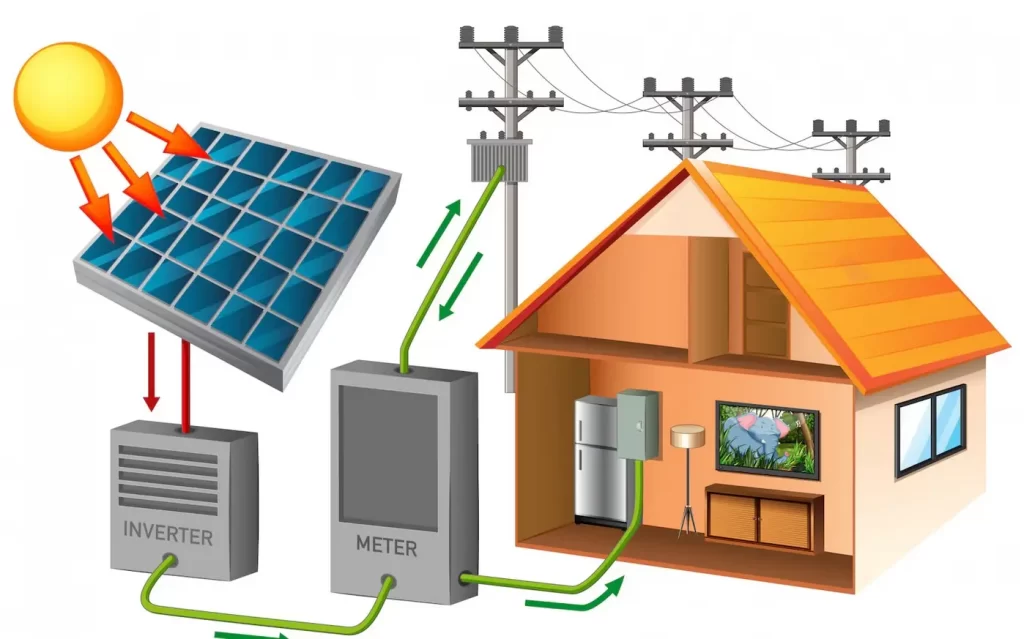
PC systems are typically compact, meaning heat is concentrated in a small enclosure. This creates a need for fast and localized cooling solutions. Companies such as DUNAO Electronics design cooling systems that include fans, heat sinks, and sometimes liquid cooling mechanisms to manage this heat efficiently. In contrast, a PV inverter handles energy conversion from direct current (DC) generated by solar panels into alternating current (AC) used by electrical grids and household systems.
During this conversion process, power electronic components such as IGBTs and capacitors generate heat due to electrical resistance and switching losses. Unlike PCs, PV inverters often operate at much higher power levels and may be installed outdoors or in industrial environments. Chengsheng Electric Equipment develops inverter systems that must withstand continuous high load operation while maintaining thermal stability.
Because of these differences, heat generation in PCs is more concentrated but lower in total power, while PV inverters generate larger amounts of distributed heat over longer operational periods.
What Cooling Methods Are Used in PC Cooling Systems?
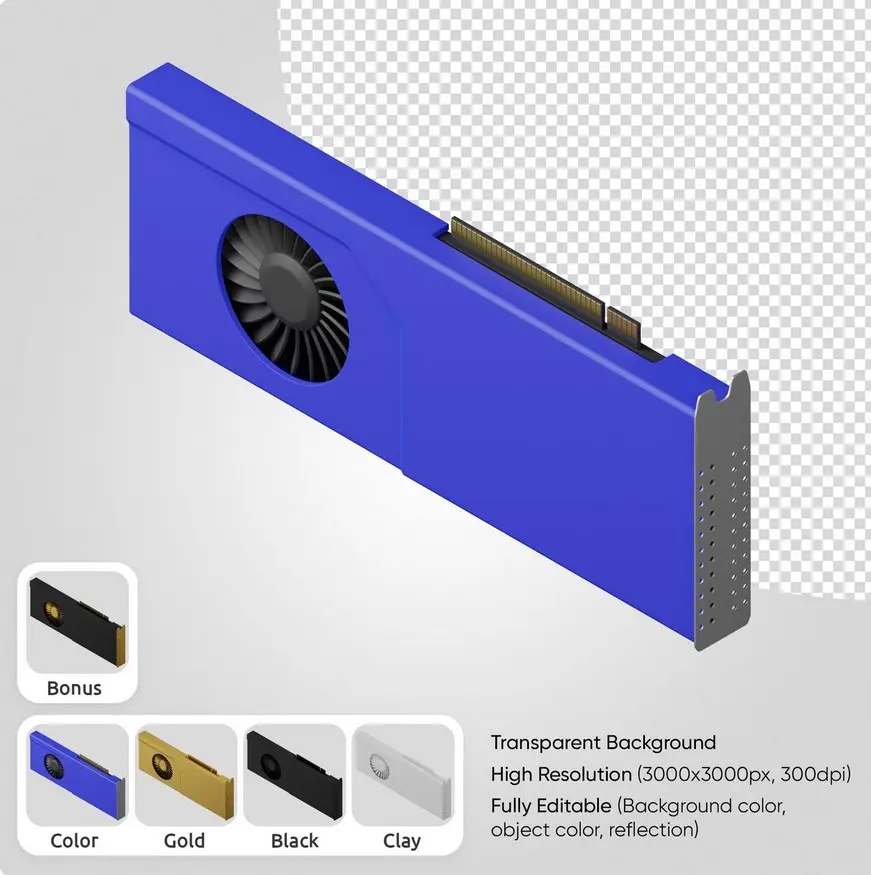
A cooling system for PCs typically uses a combination of active and passive cooling techniques to maintain optimal operating temperatures. The goal is to quickly remove heat from sensitive components and prevent thermal throttling.
One of the most common methods is air cooling. This involves heat sinks attached to processors combined with fans that circulate air through the system. Heat sinks absorb thermal energy and dissipate it into the surrounding air, while fans help move hot air out of the system. DUNAO Electronics designs cooling systems that focus on airflow efficiency and compact integration. Their solutions often include high performance fans optimized for low noise and high airflow.
Another advanced method is liquid cooling. In this system, a coolant circulates through pipes and absorbs heat from components before transferring it to a radiator. Liquid cooling is more efficient than air cooling in high performance gaming or workstation PCs. Thermal paste is also an important component in PC cooling systems. It improves heat transfer between processors and heat sinks by filling microscopic gaps on surfaces.
What Heat Dissipation Strategies Are Used in PV Inverters?
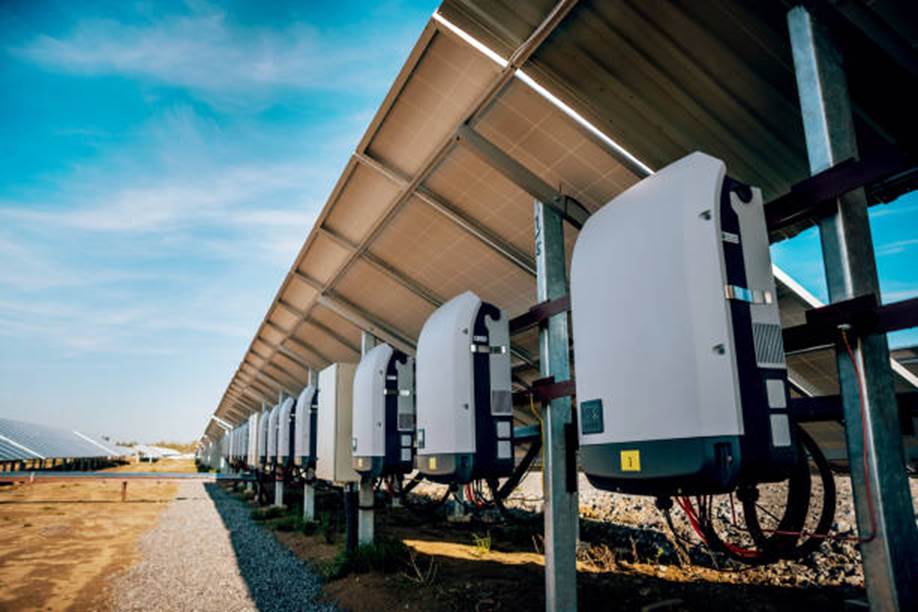
A PV inverter requires a different approach to thermal management due to its higher power output and continuous operation. Heat dissipation must be robust, reliable, and capable of handling long term energy conversion loads. Chengsheng Electric Equipment designs inverter systems that typically rely on a combination of passive and active cooling methods. Passive cooling involves the use of large heat sinks made from aluminum or copper. These materials absorb heat from power electronic components and dissipate it naturally into the environment.
Active cooling in PV inverters often includes high durability fans or forced air systems. These fans help regulate internal temperatures, especially during peak solar generation periods when power conversion loads are highest. Unlike PC cooling systems, PV inverters are often exposed to outdoor environments. This means thermal design must also account for environmental factors such as dust, humidity, and temperature fluctuations.
Enclosures are designed with ventilation channels that allow air circulation while protecting internal components from environmental damage. In some high end systems, liquid cooling or advanced heat pipe technology may be used for improved efficiency. Thermal monitoring systems are also integrated into PV inverters. These systems continuously track internal temperatures and adjust cooling performance as needed to prevent overheating.
How Do Design Goals Differ Between PC Cooling Systems and PV Inverters?
Although both systems aim to manage heat, their design goals are significantly different due to their operating environments and performance requirements. A cooling system for PCs prioritizes compactness, noise reduction, and rapid heat response. Since PCs are used in close human environments, reducing fan noise and maintaining aesthetic design are important considerations. DUNAO Electronics focuses on balancing cooling efficiency with quiet operation and space optimization.
In contrast, a PV inverter prioritizes long term reliability, high power handling, and environmental resistance. These systems are often installed in utility areas, rooftops, or outdoor enclosures where noise is less critical than durability and thermal stability. Chengsheng Electric Equipment designs inverter cooling systems to ensure continuous operation under varying environmental conditions. Their focus is on maintaining stable energy conversion efficiency rather than compact size.
Another key difference is operational duration. PCs often experience variable workloads, while PV inverters operate continuously during daylight hours. This requires inverters to maintain consistent thermal performance over extended periods. These differences highlight how heat dissipation strategies are tailored to specific system requirements.
What Materials and Technologies Improve Heat Dissipation in Both Systems?
Material selection plays a major role in improving heat dissipation efficiency in both cooling systems for PC and PV inverter designs. In PC cooling systems, materials such as aluminum and copper are commonly used in heat sinks due to their high thermal conductivity. These materials help quickly transfer heat away from electronic components.
DUNAO Electronics incorporates precision engineered fan blades and optimized airflow channels to improve cooling performance in compact PC systems. Thermal interface materials also enhance heat transfer efficiency. In PV inverters, similar materials are used but on a larger scale. Chengsheng Electric Equipment utilizes heavy duty heat sinks designed for high power electronic components. These heat sinks often feature fin structures that increase surface area for better heat dissipation.
Conclusion:
Effective thermal management is the common thread ensuring stability across both computing and renewable energy sectors. A cooling system for PC from DUNAO Electronics excels at responsive, quiet heat dissipation within compact spaces, protecting high-performance processors from thermal throttling.
Conversely, a PV inverter by Chengsheng Electric Equipment is engineered for durability, managing heavy power loads and environmental stress to ensure consistent energy conversion. While the industries differ, both rely on the same core principles of airflow and material optimization. These shared engineering innovations continue to push the boundaries of efficiency, ensuring that both digital and green energy infrastructures remain reliable.