
Modern industrial manufacturing is rapidly evolving due to automation, precision engineering, and digital control systems. Production lines are becoming faster, more efficient, and highly automated to meet global demand. Two important components in this transformation are roll forming machines and wiring harness systems. These technologies are widely used in construction, automotive, and industrial equipment manufacturing. Companies such as Konix Machinery and Yongrui Electronics Technology Group are contributing to these advancements. Their innovations are improving production accuracy, efficiency, and reliability.
Understanding these developments helps explain how modern manufacturing systems are becoming more intelligent and interconnected.
What is a Roll Forming Machine?
A roll forming machine is industrial equipment used to shape metal sheets into specific profiles through continuous bending processes.
Working of Roll Forming Machine:
1. The process begins by feeding a metal coil or strip into the roll forming machine. This raw material is carefully guided into the entry section to ensure smooth and continuous operation.
2. The metal sheet passes through guiding rollers that align the material properly. This step ensures accurate positioning before the forming process begins.
3. The aligned metal then moves through multiple roller stations. Each set of rollers gradually bends the metal into a specific shape. The forming is done step by step instead of a single heavy deformation.
4. At every stage, rollers apply precise pressure and angles. This controlled shaping reduces stress on the metal and prevents cracks or deformation.
5. As the metal moves forward, it slowly takes the required profile such as channels, panels, or structural shapes. Each roller set refines the shape further.
6. Once the final shape is achieved, an automatic cutting system cuts the continuous profile into desired lengths without stopping the machine.
7. The finished products are collected at the exit section and prepared for packaging or further processing.
8. Modern roll forming machines use computerized control systems to monitor speed, alignment, and pressure. This ensures consistent quality, high efficiency, and reduced material waste.
This process is highly efficient and suitable for mass production. It allows manufacturers to produce consistent metal components with minimal material waste. Roll forming is widely used in industries that require uniform metal sections. The machine operates continuously, making it ideal for long production runs. It ensures high precision and repeatability in manufacturing metal profiles. Due to its efficiency and accuracy, roll forming machines are widely used in modern industrial production systems.
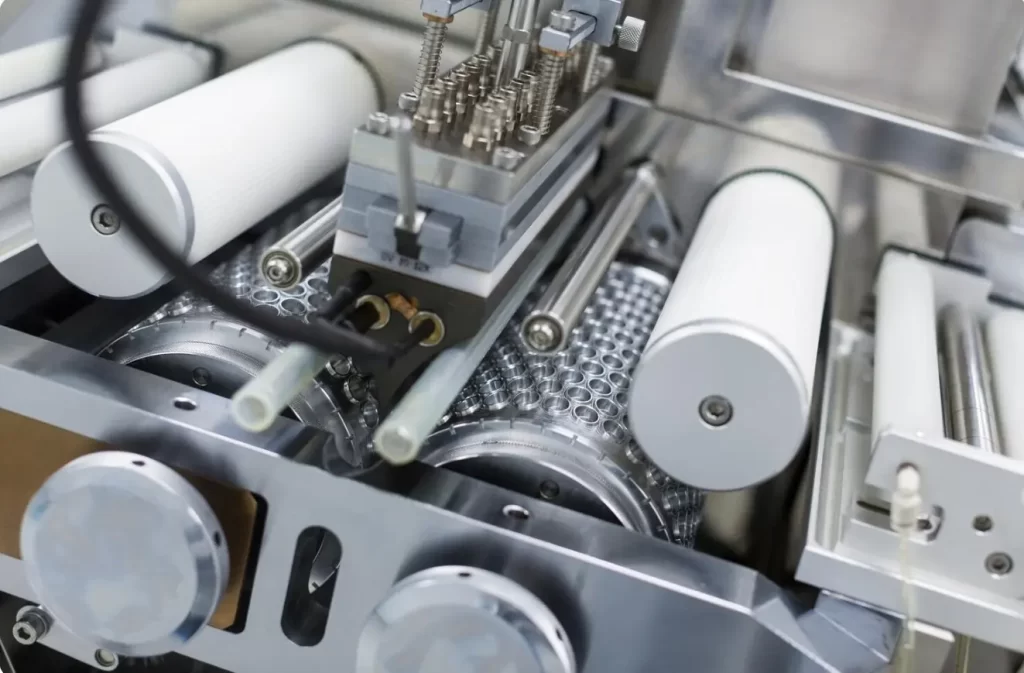
What Are Applications of Roll Forming Machines?
Roll forming machines are used across multiple industries for producing metal components. Some applications of roll forming machine are listed below:
- Roofing systems
- Wall panels
- Steel framing
- Door frames
- Cable trays
- Automotive body parts
- Shelving systems
- Construction beams
These applications demonstrate the versatility of roll forming technology in industrial manufacturing.
What is Wiring Harness and How Important is it in a Roll Forming Machine?
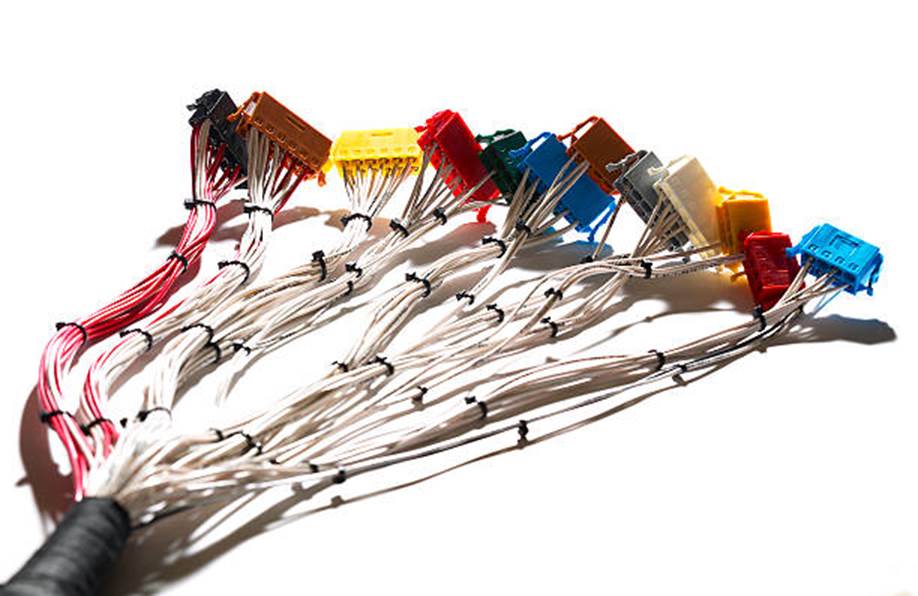
A wiring harness is an organized system of electrical cables, connectors, and terminals used to transmit electrical power and signals within machinery or vehicles.
In roll forming machines, wiring harnesses play a critical role in connecting electrical components such as motors, sensors, and control systems. They ensure smooth communication between different machine parts. A well designed wiring harness improves machine reliability and reduces the risk of electrical faults. It also simplifies installation and maintenance processes.
Without a properly structured wiring harness, automated roll forming machines cannot operate efficiently. Therefore, wiring systems are essential for ensuring stable and safe machine performance.
How Is Konix Machinery Advancing Roll Forming Machine Technology?
Konix Machinery is contributing to the development of advanced roll forming machines through automation and precision engineering.
The company focuses on improving machine efficiency by integrating digital control systems. These systems allow operators to monitor and adjust production parameters in real time. Another advancement is improved machine durability. Enhanced structural designs reduce wear and increase production lifespan. This ensures consistent performance during long manufacturing cycles. Konix Machinery also emphasizes production flexibility. Modern machines can produce multiple profiles with quick changeover systems. This reduces downtime and increases productivity.
Through continuous innovation, the company supports the growing demand for efficient metal forming solutions in industrial applications.
How Is Yongrui Electronics Technology Group Improving Wiring Harness Production Efficiency?
Yongrui Electronics Technology Group is enhancing wiring harness production through automation and advanced manufacturing techniques.
The company uses automated cutting, stripping, and crimping machines to improve production speed and accuracy. These technologies reduce human error and ensure consistent quality. Another improvement is better cable organization systems. Structured harness design reduces assembly complexity and improves installation efficiency in machinery.
Quality control systems are also integrated into production lines. Each wiring harness undergoes testing to ensure electrical stability and performance reliability. By adopting modern manufacturing technologies, Yongrui Electronics Technology Group improves efficiency and ensures high quality wiring solutions for industrial equipment.
What Are the Latest Technological Advancements in Roll Forming Machines and Wiring Harness Production?
Recent technological advancements in both roll forming machines and wiring harness production are focused on automation, precision, and digital integration.
In roll forming machines, computer numerical control systems have improved accuracy and production speed. Machines can now adjust settings automatically based on production requirements. This reduces manual intervention and increases efficiency. Smart sensors are also being integrated into modern machines. These sensors monitor temperature, pressure, and material alignment in real time. This helps prevent errors and improves product quality.
In wiring harness production, automation has significantly improved assembly speed. Robotic systems handle repetitive tasks such as cutting and crimping wires with high precision. Digital testing systems ensure that each wiring harness meets strict electrical standards before installation. This improves safety and reliability in industrial applications.
Companies such as Konix Machinery and Yongrui Electronics Technology Group are at the forefront of these innovations. Their technologies are helping industries achieve higher efficiency and improved manufacturing quality.
Conclusion:
Technological advancements in roll forming machines and wiring harness production are transforming modern industrial manufacturing. Automation, digital control systems, and precision engineering are improving efficiency and reliability across production lines.
Roll forming machines developed by Konix Machinery offer enhanced speed, flexibility, and accuracy in metal shaping processes. At the same time, wiring harness solutions from Yongrui Electronics Technology Group improve electrical connectivity and production efficiency in industrial systems.
Together, these innovations reflect the ongoing shift toward smarter, more automated manufacturing technologies. As industries continue to evolve, these advancements will play a crucial role in shaping the future of global production systems.