
The apparel industry is undergoing a structural transformation driven by speed, personalization, and technological precision. Traditional bulk manufacturing models are gradually being replaced by flexible, on demand systems that respond more directly to market trends and individual preferences. In this evolving landscape, digital printing technologies and specialized customization services are becoming central to production efficiency and design freedom. Solutions such as the DTF printer from SINOTEC Digital and the OEM/ODM clothing customization expertise provided by Aikoo illustrate how innovation is reshaping modern garment workflows. But what is truly driving this shift toward smarter and more adaptable apparel production systems?
What Is Driving the Shift Toward Digital Printing and Custom Apparel Production?
The shift toward digital printing and custom apparel production is driven by rising consumer demand for personalization, faster fashion cycles, and reduced inventory waste. Brands are now focusing on small batch production instead of large scale manufacturing to minimize financial risk and respond quickly to trends. Advances in printing technology, especially fabric compatible digital systems, allow designs to be produced directly with high accuracy and minimal setup time. In addition, sustainability concerns are encouraging on demand production models that reduce overproduction. This combination of efficiency, flexibility, and customization is reshaping how modern apparel businesses operate globally.
What is a DTF Printer?
A DTF printer, short for Direct to Film printer, is a modern digital printing machine used in garment decoration that transfers designs onto fabric using a specialized film and adhesive powder process. Unlike traditional screen printing, it does not require complex setup or color separation, making it highly efficient for small and large production runs. The process begins with printing the design onto a PET film, followed by applying adhesive powder, curing it, and finally heat pressing the design onto fabric.
DTF technology supports a wide range of materials including cotton, polyester, blends, and even dark colored fabrics without compromising print quality. It delivers vibrant colors, strong durability, and fine detail reproduction, making it suitable for fashion brands and custom apparel businesses. Because of its flexibility and low production barrier, DTF printing has become a preferred solution for modern garment manufacturers seeking speed, versatility, and cost effective customization capabilities.
How Does a DTF Printer from SINOTEC Digital Improve Fabric Printing Efficiency and Quality?
A DTF printer from SINOTEC Digital enhances fabric printing efficiency by streamlining the entire customization process from design output to final garment transfer. Its high resolution printing capability ensures sharp image reproduction with accurate color gradients, which is essential for modern fashion and branding requirements. The system eliminates the need for traditional screen setup, significantly reducing preparation time and allowing faster production cycles.
In terms of efficiency, the printer supports batch printing on film, enabling multiple designs to be processed simultaneously before heat transfer. This reduces labor dependency and improves workflow speed in production environments. The adhesive powder and curing process ensures strong bonding between ink and fabric, resulting in durable prints that resist washing and fading.
Additionally, SINOTEC Digital systems are designed for stable performance and consistent output quality, making them suitable for both small custom orders and large scale apparel manufacturing. This balance of speed, precision, and reliability improves overall production efficiency in textile printing operations.
Why Is DTF Printing Becoming a Key Technology in Modern Garment Manufacturing?
DTF printing is becoming a key technology in modern garment manufacturing due to its flexibility, cost efficiency, and ability to produce high quality prints on diverse fabric types. Unlike traditional methods, it does not require complex setup or minimum order quantities, making it ideal for fast fashion and custom clothing markets. It supports vibrant color reproduction and strong durability, which enhances product appeal. The growing demand for personalized apparel and small batch production has further accelerated its adoption. As a result, DTF printing is now widely recognized as a practical solution for scalable and on demand textile decoration.
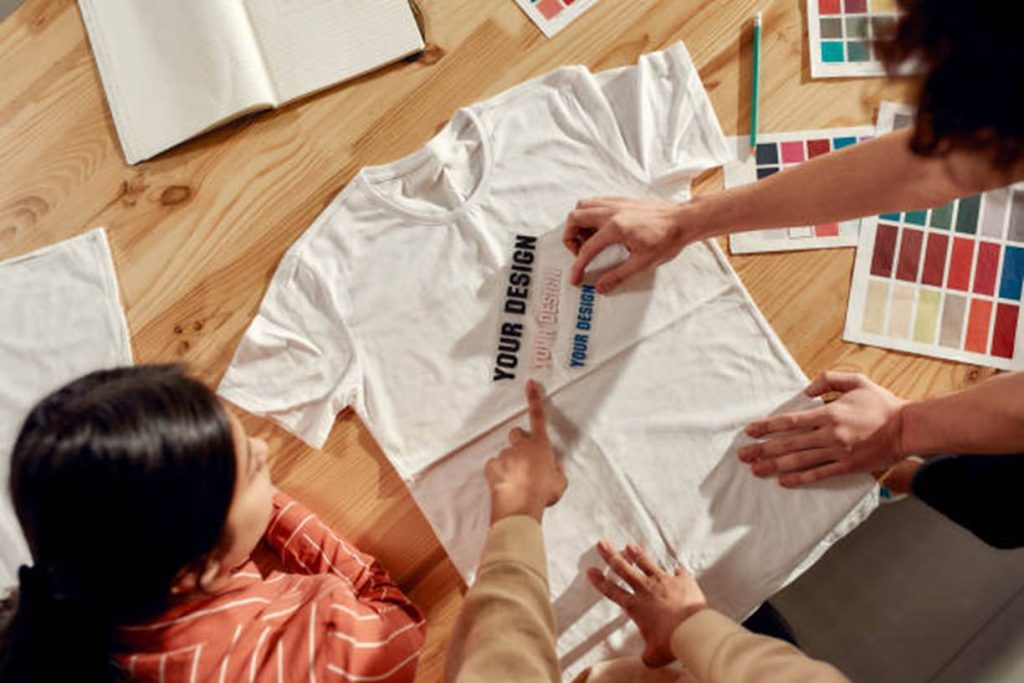
How Does an OEM/ODM Clothing Customization Expert Like Aikoo Support Flexible Apparel Production?
An OEM/ODM clothing customization expert like Aikoo Apparels supports flexible apparel production by offering end to end manufacturing solutions tailored to brand requirements. OEM services allow clients to provide specific designs and specifications, while ODM services enable manufacturers to develop original designs that can be customized and branded according to market needs. This dual capability provides businesses with greater flexibility in product development.
Aikoo streamlines the production process by managing design sampling, fabric sourcing, pattern making, and mass production under one system. This reduces communication gaps and shortens production timelines. It also allows brands to quickly respond to fashion trends without investing heavily in in house manufacturing infrastructure.
By combining technical expertise with scalable production capacity, Aikoo enables small and large brands to launch customized apparel collections efficiently. This approach supports modern fashion demands where speed, adaptability, and branding differentiation are essential for market success in a highly competitive industry.
How Do Digital Printing Solutions and OEM/ODM Services Work Together in Apparel Production?
Digital printing solutions and OEM/ODM clothing customization experts work together by combining design flexibility with efficient manufacturing execution. Digital printing, such as DTF technology, enables fast and precise customization of fabric designs, while OEM/ODM services manage the full production process from concept to finished garment. This integration allows brands to quickly turn ideas into market ready products without large scale production delays. It also supports small batch and personalized clothing manufacturing, reducing inventory risk. Together, these systems create a streamlined workflow that improves speed, customization capability, and overall efficiency in modern apparel production.
What Are the Key Advantages of On Demand and Custom Clothing Manufacturing Models?
The key advantages of on-demand and custom clothing manufacturing are listed below:
- Reduced Inventory Risk:
On demand production minimizes overstock by producing only what is required.
- Faster Market Response:
Brands can quickly adjust designs based on trends and customer preferences.
- Higher Customization Flexibility:
It allows personalized designs, sizes, and branding options for different markets.
- Cost Efficient Production:
It can easily eliminates unnecessary bulk manufacturing costs and reduces material waste.
- Sustainable Manufacturing Approach:
It supports eco friendly production by lowering excess fabric usage and waste generation.
Conclusion:
Digital printing technologies and OEM/ODM manufacturing models are redefining how the modern apparel industry operates. The DTF printer from SINOTEC Digital demonstrates how advanced printing systems enhance speed, accuracy, and fabric versatility in garment decoration. At the same time, the OEM/ODM clothing customization expertise of Aikoo highlights the importance of flexible, end to end production solutions that support brand development and rapid market response. Together, these innovations are enabling a more efficient, customizable, and demand driven apparel ecosystem that aligns with the evolving needs of global fashion consumers and manufacturers.