
Healthy Living Tips That Actually Stick (And Why Most Routines Fall Apart)
Most routines fail in week two. Not because people are lazy — because they were built wrong from the start. The classic mistake is going from zero to a full overhaul: new diet, gym membership, 10pm bedtime, cold showers, the whole package. That’s not a routine. That’s a punishment.
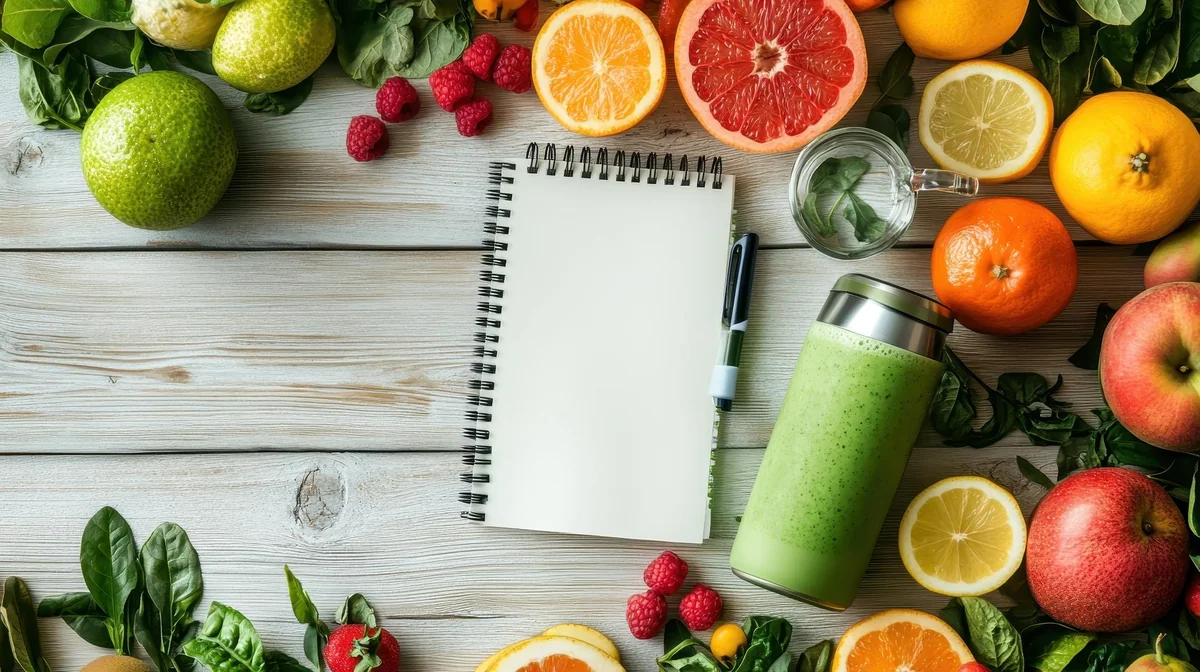
So here’s what actually works, and it’s genuinely unsexy advice: you stack small behaviors onto things you’re already doing. Habit researchers call this “habit stacking” — the idea that your brain links new actions to existing ones far more reliably than it responds to willpower alone. Drink water before your morning coffee, not instead of it. Do ten squats while you wait for your laptop to boot up. These sound trivial, but the consistency compounds fast.
The reason most healthy living tips don’t land isn’t a lack of information. It’s the gap between knowing and doing — which, for most people, comes down to friction. The harder a habit is to start, the easier it is to skip. (This is why fitness apps with five-step onboarding have terrible retention rates.)
A few principles that actually hold up:
- Start with a two-minute version of any habit — if you can’t do it in two minutes, the full version won’t stick either
- Track only what you can measure without extra tools: sleep hours, glasses of water, days you moved your body
- Build a recovery plan before you need one — missing one day is fine, missing three in a row is where routines die
- Tie your environment to the behavior: put the running shoes by the door, not in the closet
And the thing nobody says loudly enough? Rest is part of the system. Skipping sleep to hit the gym earlier isn’t discipline — it’s just trading one health problem for another. Healthy living tips that treat sleep as optional are selling you a broken model.
Sustainable. That’s the only word that matters here.
Small Daily Habits for a Healthier Life That Don’t Require Overhauling Everything
Nobody wakes up one day and decides to overhaul their entire life — and if they do, it usually lasts about eleven days before the whole thing collapses. Small habits work differently. Not because they’re easier (though they are), but because they don’t trigger that internal resistance that kicks in the moment something feels like a chore.
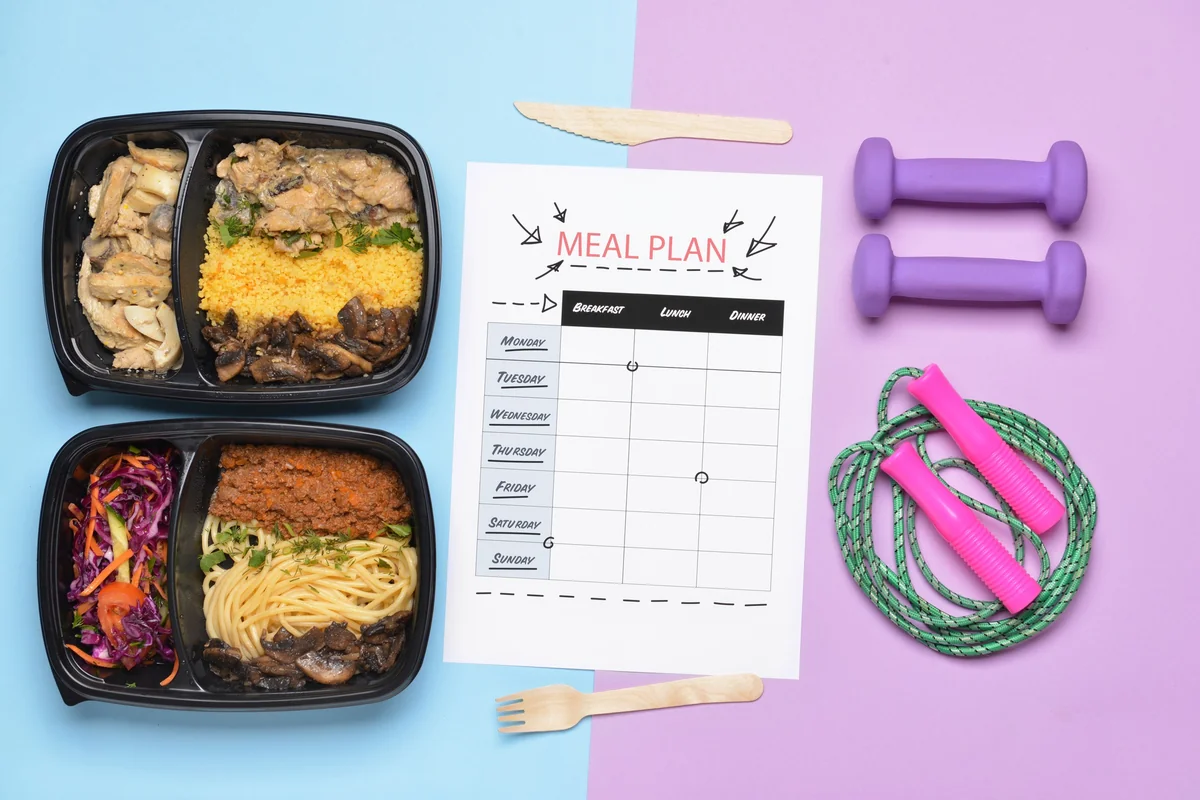
Here’s a useful reframe: healthy living tips tend to focus on what to add, when the real question is what to make automatic. Automatic means zero decision fatigue. You don’t “decide” to brush your teeth — you just do it. The goal is to get a handful of health behaviors into that same mental category.
So what actually moves the needle on a daily basis? A few things that are easy to dismiss because they sound too simple:
- Drink a full glass of water before coffee — not instead of it, just before (your body is mildly dehydrated every morning and you probably don’t notice)
- Add a ten-minute walk after lunch; research consistently shows this blunts post-meal blood sugar spikes better than most supplements on the market
- Set a hard cutoff for screens at night — even 45 minutes makes a measurable difference in sleep quality
- Eat something with protein at breakfast, even something small; it changes how hungry you feel by 3pm in a way that’s hard to argue with once you test it
- Spend two minutes outside in the morning without your phone. Just two minutes.
None of that requires a gym membership, a $300 blender, or a subscription to anything.
But here’s the part worth sitting with — consistency across these micro-habits compounds faster than people expect. Miss one? Fine. Miss all five for a week? That’s where the drift starts. The habits that last are the ones with almost no barrier to re-entry after a bad stretch.
Genuinely sustainable healthy living tips are boring on paper. They’re also the ones that are still working six months later.
The Honest Truth About Building a Sustainable Healthy Lifestyle Around Real Schedules
Schedules don’t care about your wellness goals. That’s the blunt reality nobody puts on a motivational poster.

Most healthy living tips get written for people with flexible mornings, no dependents, and a lunch break that actually exists. Real schedules — the ones with back-to-back meetings, school pickups, and a commute that eats 90 minutes a day — don’t bend to accommodate a five-step morning routine. So the question isn’t “what’s the optimal approach?” It’s “what actually survives contact with a Tuesday in February when everything is going sideways?”
Sustainable, for most people, means ugly. It means a protein bar from the gas station because that was the option. It means a 12-minute walk instead of the planned 45. It means the habit looks nothing like the version you imagined when you started — and that’s fine, genuinely, because the version that adapts is the version that lasts.
Not perfect. Just present.
There’s a trap worth naming here — the all-or-nothing reframe that quietly kills more healthy living efforts than laziness ever did. Miss the workout, skip the good meal, sleep terribly for three nights, and suddenly the whole thing feels broken. But the research on habit resilience is pretty consistent: missing once has almost no measurable impact. Missing twice starts a pattern. The goal isn’t a streak; it’s a low enough barrier that you come back after the miss without needing a whole reset ritual.
And the financial side matters too. A lot of healthy living advice assumes a budget that doesn’t exist for most households. Frozen vegetables (often nutritionally identical to fresh, by the way) cost a fraction of the farmer’s market haul. A $15 resistance band covers more ground than most people realize. The gap between “accessible” and “effective” is much smaller than the wellness industry would prefer you to believe.
So build around your actual week. Not the idealized version. The one that already exists.
Simple Healthy Routine Changes That Compound Into Serious Long-Term Results
Small changes don’t feel like enough. That’s the trap. Because the brain wants the dramatic overhaul — the 6am alarm, the meal prep containers lined up on Sunday, the whole cinematic transformation arc. But compounding doesn’t care about drama. It cares about repetition.
The changes that actually stick tend to be almost embarrassingly modest at first. A ten-minute walk after dinner three times a week. Swapping one processed snack for something with actual protein. Drinking a full glass of water before coffee in the morning — not instead of coffee, just before it (small distinction, but it matters for hydration timing). None of these feel like healthy living tips worth writing home about. And yet the research on cumulative behavioral change is pretty unambiguous: low-friction habits done consistently outperform high-effort habits done sporadically. Every time.
Here’s a useful way to think about where to start:
- Add before you subtract — attach a new behavior to something you already do, rather than trying to eliminate something cold
- Pick one meal to improve, not all of them at once
- Use a timer for movement breaks if your work is sedentary — even 90-second intervals of standing or stretching shift your metabolic baseline over weeks
- Sleep before supplements — no $40 magnesium glycinate bottle closes the gap that 6 hours of sleep creates
- Track one metric only, at least initially; tracking everything usually means tracking nothing
The compounding part kicks in around the three-month mark — not because anything magical happens, but because the habit has stopped requiring active decision-making. It’s just what you do now.
And that shift — from effortful to automatic — is genuinely the whole game. Not discipline. Not motivation. Just enough repetition that the behavior becomes the path of least resistance instead of the harder choice.
Unglamorous? Absolutely. Effective? Consistently, yes.
Conclusion
Healthy living tips tend to fail not because people lack information, but because they try to overhaul too much at once — and then quit when the whole system collapses under its own weight. One habit. One meal. One metric. That’s not settling for less; that’s actually how change sticks.
The compounding effect is real, but it’s slow and boring and completely worth it.
So if you’re walking away with anything here, let it be this: don’t wait until you’re ready to do everything. Pick the smallest possible version of the change you want to make — and just start there. The rest follows.
Frequently Asked Questions
Q: What are the most important healthy living tips for beginners?
A: Honestly, the most effective healthy living tips for beginners aren’t the flashy ones — they’re boring and that’s the point. Sleep 7-9 hours, drink water before you reach for coffee, and move your body for at least 20 minutes a day. That’s the whole foundation. Build from there.
Q: How long does it take to actually see results from healthy lifestyle changes?
A: Most people notice something — better sleep, less brain fog, more stable energy — within 2-3 weeks of consistent change. Physical changes take longer, usually 6-12 weeks depending on what you’re tracking. The frustrating part is that the results are real before they’re visible.
Q: How much water should I drink every day?
A: The old “8 glasses a day” rule is a rough starting point, but body weight matters more — a common guideline is half your body weight in ounces. A 160-pound person would aim for around 80 oz daily. Add more if you’re sweating or drinking caffeine.
Q: Why do most healthy living tips fail after a few weeks?
A: Because people try to change everything at once and run out of willpower — which is a finite resource, not a personality trait. The healthy living tips that actually stick are the ones attached to existing habits (eating breakfast, brushing teeth) rather than requiring brand-new routines from scratch. Stack don’t start from zero.
Q: Is it worth buying supplements to support a healthy lifestyle?
A: For most people, a basic vitamin D3 supplement (around $10-15 for a 3-month supply) makes sense — deficiency is genuinely common and affects energy, mood, and immune function. Beyond that, fix your diet first. Supplements can’t patch a foundation that isn’t there.
Q: Can I follow healthy living tips without giving up foods I love?
A: You can, and you probably should — restriction-heavy approaches have a terrible long-term track record. The smarter move is crowding out: add more whole foods, protein, and fiber until there’s less room (and less craving) for the stuff that doesn’t serve you. It’s slower, but it’s actually sustainable.
Q: How do healthy living tips apply differently for people over 40?
A: Muscle preservation becomes a bigger priority after 40 — protein intake should be closer to 1g per pound of body weight, and resistance training matters more than cardio for long-term metabolic health. Recovery also takes longer, so the healthy living tips around sleep and stress management stop being optional. They become the work.
Q: What’s the single biggest mistake people make when trying to live healthier?
A: Treating it like a sprint. People go hard for two weeks, burn out, and conclude that healthy living “doesn’t work for them” — when the real issue was the pace, not the goal.