
How a Vacuum Homogenizer Emulsifying Mixer Machine Actually Works (Before You Touch Anything)
OK so before anyone starts pressing buttons or adjusting speeds, it’s worth actually understanding what’s happening inside one of these machines — because it’s genuinely more interesting than “it mixes stuff.”
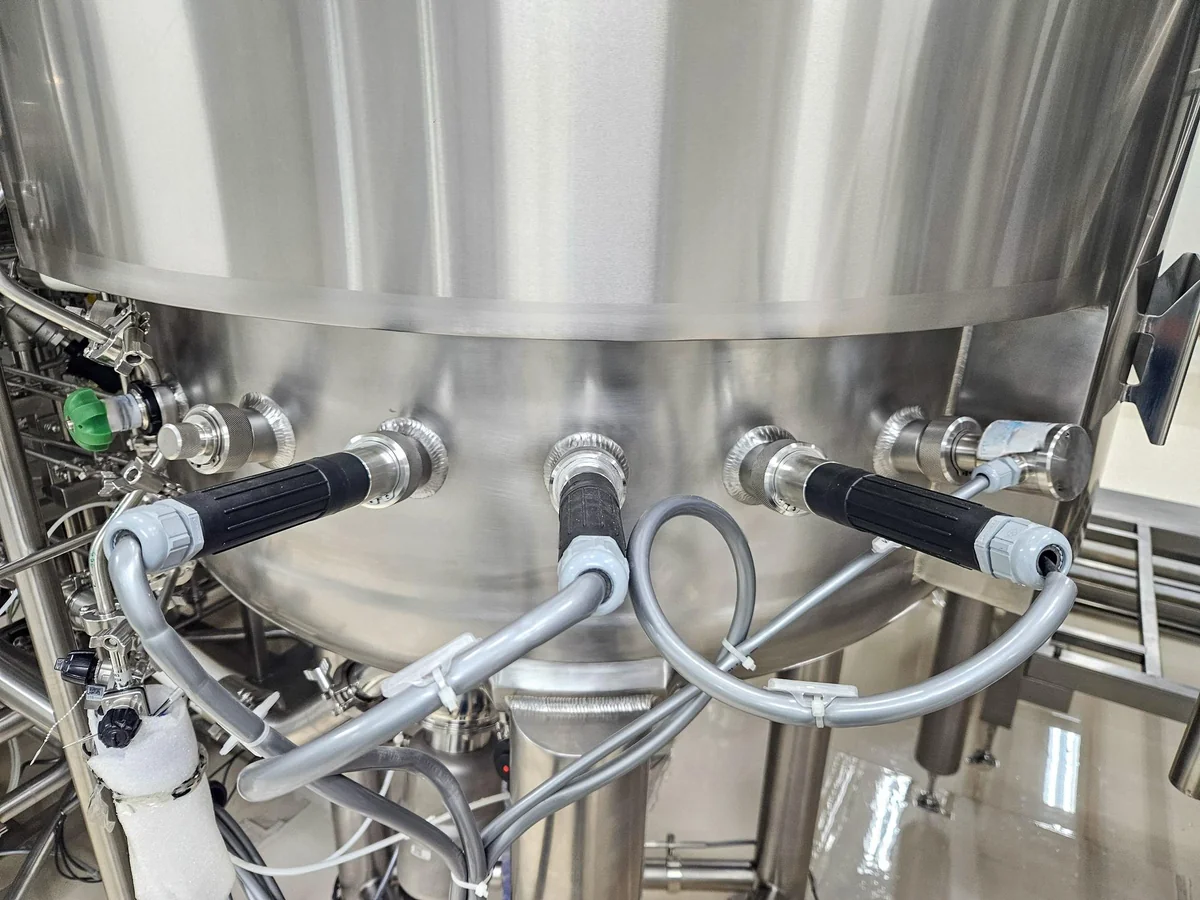
A vacuum homogenizer emulsifying mixer machine does three things simultaneously, and that’s the whole point. It creates a vacuum environment inside the vessel, it homogenizes — meaning it breaks down particle sizes to the micron level — and it emulsifies, forcing two substances that normally refuse to combine (think oil and water) into a stable, uniform blend. Strip any one of those functions out and you’ve got a completely different piece of equipment.
The vacuum part is not just a gimmick.
Running the process under negative pressure removes air bubbles from the mixture before they get locked into the final product — which matters enormously for cosmetics, pharmaceutical creams, and food emulsions where texture consistency is a quality control metric, not just an aesthetic preference. Bubbles trapped in a lotion batch, for example, can destabilize the emulsion over time or create microbial pockets. Neither is acceptable at commercial scale.
Here’s the basic mechanical sequence most machines follow:
- Raw materials are loaded into the main emulsifying vessel and the water/oil phase tanks.
- The vacuum pump evacuates air from the vessel before or during heating.
- The high-shear homogenizer rotor-stator assembly — typically spinning between 2,800 and 3,500 RPM — tears the mixture apart at the molecular level.
- The anchor agitator (the slower outer mixer) simultaneously scrapes the vessel walls and keeps the bulk material moving.
- The finished emulsion is discharged under controlled conditions, sometimes feeding directly into an automatic sealing machine downstream.
And the whole cycle happens in a closed, hygienic environment — which is exactly why industries from skincare to nutraceuticals adopted this equipment so aggressively. Brands sourcing through suppliers like Aile or similar OEM-oriented manufacturers often specify vacuum depth, vessel capacity, and rotor-stator clearance as the first three variables in their product brief (the clearance tolerance alone can be the difference between a 1-micron and a 5-micron particle size result).
A vacuum homogenizer emulsifying mixer machine is not a blender. Not even close.
Step-by-Step Vacuum Homogenizer Emulsifying Mixer Machine Setup: From Unpacking to First Run
Setup day is not the time to improvise. A vacuum homogenizer emulsifying mixer machine arrives heavy, sometimes on a pallet, and the commissioning sequence actually matters — skip a step and you’ll either void the warranty or spend two hours chasing a leak you could have caught in five minutes.
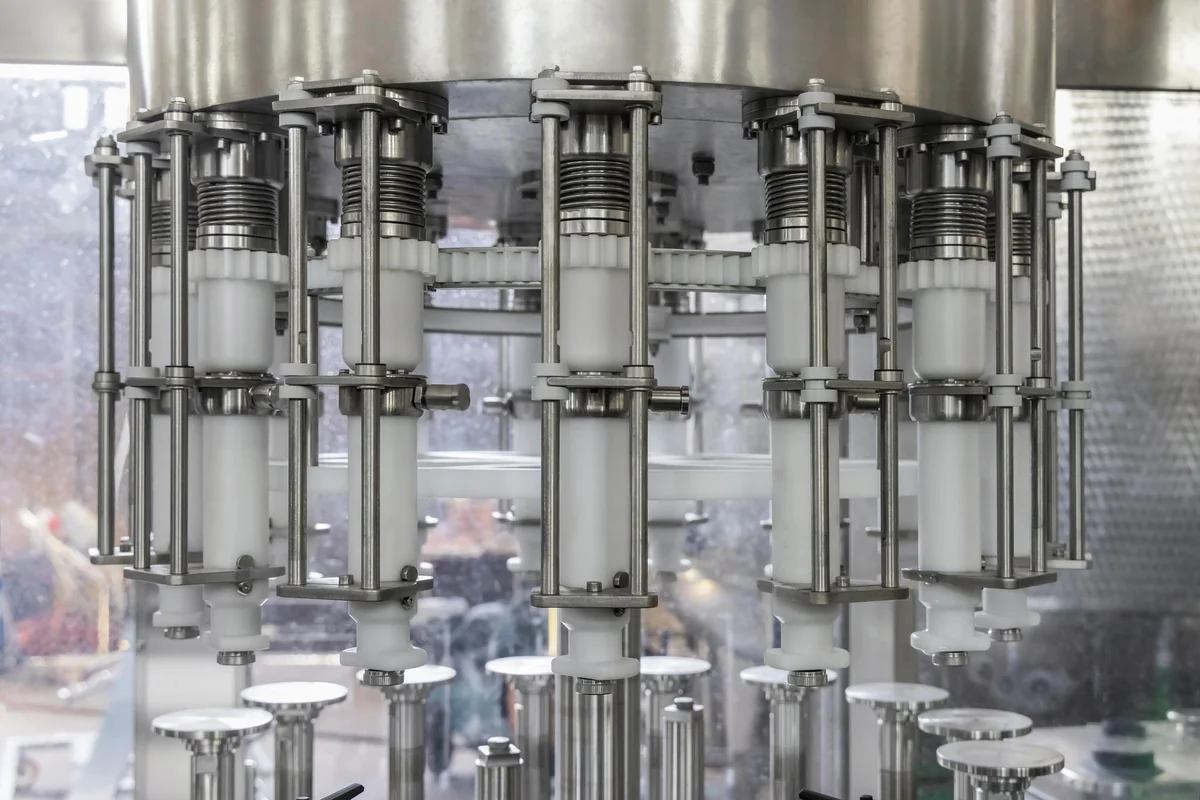
Unpacking first. Check the vessel interior for transit damage before anything else (scratches on the stainless lining aren’t always visible until you shine a light at an angle). Confirm the rotor-stator assembly is seated correctly — it can shift during freight. Document anything that looks off before powering up.
- Level the machine on its frame. Use a spirit level on the vessel flange. Even a 2-degree tilt will cause uneven wall scraping during the anchor agitator cycle.
- Connect utilities in order: cooling water first, then electrical, then vacuum line. Never the reverse — pressurizing an ungrounded unit is a real risk.
- Run a dry vacuum test before any product goes in. Pull the vessel down to your target vacuum depth, hold for five minutes, and watch the gauge. Any drop above 0.02 MPa per minute means a gasket or valve seal needs attention.
- Fill with water — not your actual formula — for the first wet run. Set the homogenizer rotor to a low RPM (around 1,500) and run for ten minutes. Check shaft seals, temperature readings, and discharge valve function.
- Confirm your downstream equipment is ready. If the finished batch feeds directly into an automatic sealing machine, that line needs to be primed and timed before you run product — a mismatch in cycle speed backs up the discharge and creates unnecessary hold time.
- Run your first real batch at reduced capacity — roughly 70% fill — so you can observe the emulsification behavior before committing full volume.
Suppliers like Aile typically provide a commissioning checklist specific to the vessel size and configuration — use it. Generic startup guides miss machine-specific tolerances.
One thing that catches buyers off guard: the vacuum homogenizer emulsifying mixer machine takes longer to commission than most expect. Budget a full day. Not two hours. A full day.
Critical Operating Parameters for Your Emulsifying Mixer Machine: Pressure, Speed, and Temperature
Three numbers run your process. Get them wrong and the emulsion fails — not dramatically, not with alarms going off, just quietly, in the form of droplet separation you won’t notice until the batch is already cooling.
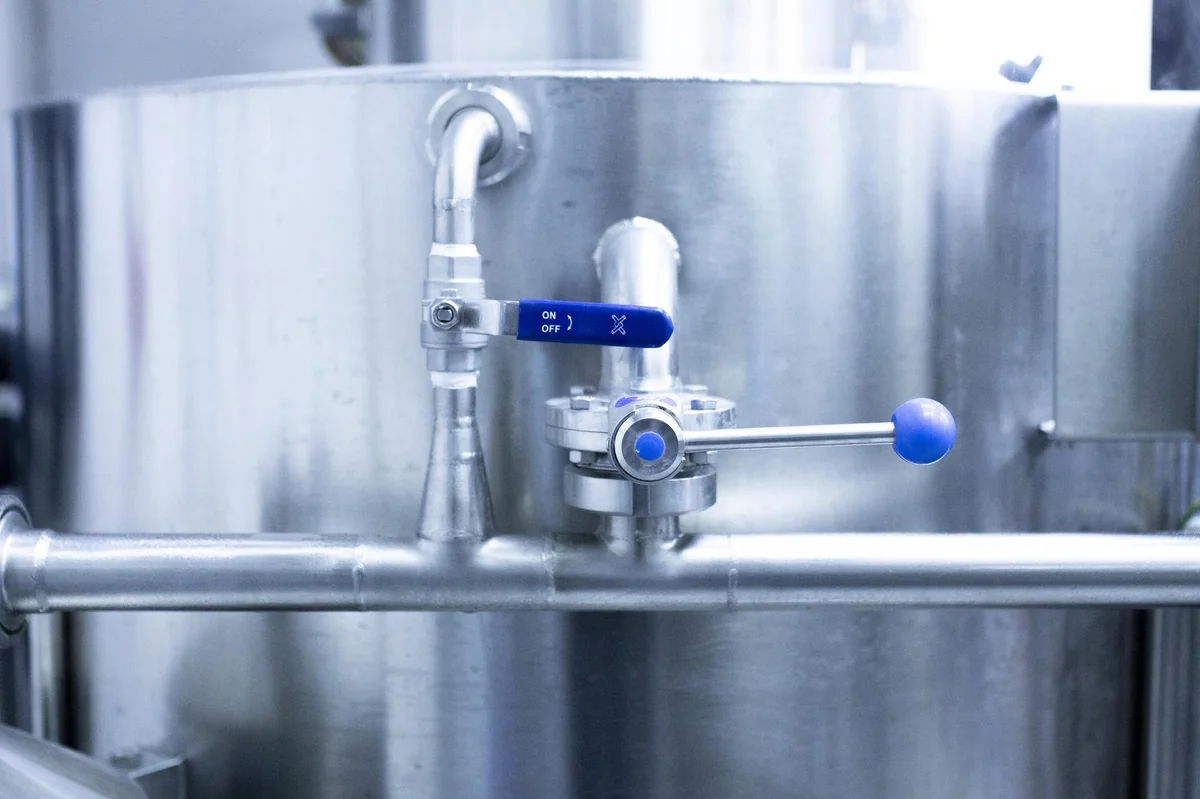
Pressure is where most operators underestimate the machine. The vacuum inside the vessel during homogenization typically sits between -0.06 MPa and -0.09 MPa for cosmetic and pharmaceutical emulsions — and that range matters more than people think. Too shallow and you’re pulling dissolved air out incompletely, which means micro-bubbles trapped in your finished product. Too aggressive on the vacuum and you risk volatile phase loss, especially with alcohol-based or heat-sensitive formulations. The vacuum homogenizer emulsifying mixer machine maintains this negative pressure environment specifically to prevent oxidation and bubble entrainment, so treat the pressure gauge as a primary instrument, not a secondary check.
Speed is trickier. Most machines offer a rotor-stator homogenizer running anywhere from 1,500 RPM up to 4,500 RPM, with a separate slow-speed anchor agitator handling the bulk mixing. These two speeds need to be tuned together — not just set independently and forgotten. A high homogenizer speed with a sluggish anchor agitator creates a dead zone near the vessel wall where material sits without adequate shear. And that’s exactly where phase separation starts.
Temperature control is the one that catches formulators off guard the most. The heating jacket on a vacuum homogenizer emulsifying mixer machine — particularly in mid-range configurations like those supported by Aile — typically operates via hot water circulation rather than direct steam, which gives you more precise ramp control. Target your emulsification temperature based on the melting point of your highest-melting wax phase, then hold it within ±2°C during the homogenization window. Drifting outside that band mid-cycle changes viscosity, which changes shear behavior, which changes droplet size. Cascade effect. Not good.
One practical note: if your finished product transfers directly to an automatic sealing machine downstream, temperature at discharge matters for fill consistency too. Seal weight and cap torque specs assume a viscosity range — get the batch temp wrong and the sealing line compensates badly.
- Vacuum depth: -0.06 to -0.09 MPa for most emulsion types
- Homogenizer RPM: match to droplet size target, not just product type
- Temperature hold: ±2°C tolerance during active homogenization phase
- Anchor agitator speed: always calibrated relative to homogenizer speed, not set independently
Troubleshooting Your Vacuum Homogenizer Setup: Common Mistakes and How to Fix Them Fast
Most vacuum homogenizer emulsifying mixer machine problems aren’t equipment failures. They’re setup errors. And the frustrating part is they usually show up mid-batch, not at startup, so you’ve already committed time and materials before anything looks wrong.
The single most common mistake — and I’ve seen this across enough production audits to call it universal — is pulling vacuum too early. Operators sometimes activate vacuum before the water phase and oil phase have reached equilibration temperature, which means you’re trapping air pockets in a system that hasn’t finished off-gassing. The result is a foamy, inconsistent emulsion that looks fine in the vessel but separates within 48 hours on the shelf. Fix: don’t engage vacuum until both phases are within 3°C of your target homogenization temperature. Non-negotiable.
Seal failures are another one. If the lid gasket or shaft seals are even slightly degraded, your vacuum depth drifts — you think you’re holding -0.08 MPa, but you’re actually bouncing between -0.05 and -0.07 MPa without realizing it. That inconsistency wrecks droplet uniformity batch to batch. Check gaskets every 200 operating hours minimum (some Aile units log this automatically, which is genuinely useful).
So here’s a quick-reference list of the failures that actually show up in real production environments:
- Vacuum applied before temperature equilibration → foam, phase separation
- Homogenizer RPM set too high for low-viscosity bases → over-shearing, emulsion inversion
- Discharge temperature out of spec → fill weight inconsistency at the automatic sealing machine downstream
- Anchor agitator running too fast relative to homogenizer → turbulent interference, uneven droplet distribution
- CIP cycle skipped or shortened → residue buildup alters surface tension on next batch
That last one gets ignored constantly. Residue from a fragrance-heavy batch will absolutely contaminate the rheology of the next run, especially in oil-in-water emulsions where surface chemistry is everything.
Bad data is also a silent killer here. If your thermocouple is mounted too close to the vessel wall rather than centrally in the product mass, your temperature readings are off by 4–6°C in thick formulations. You’re chasing a number that doesn’t reflect what’s actually happening. Recalibrate probe placement. Simple fix. Huge difference.
Conclusion
Get the process parameters right, and a vacuum homogenizer emulsifying mixer machine basically runs itself. Get them wrong — wrong RPM, skipped CIP, misplaced thermocouple — and you’re troubleshooting batch after batch wondering why your emulsion looks different every time. The machine isn’t the problem. The discipline around it is.
Residue and bad sensor placement are the two things that bite manufacturers hardest, and they’re both entirely preventable.
If you’re scaling up or speccing a new unit, don’t just evaluate the homogenizer head — pressure the supplier on process documentation, cleaning validation support, and probe placement guidance. That’s where the real quality control lives.
Frequently Asked Questions
Q: What is a vacuum homogenizer emulsifying mixer machine actually used for?
A: It’s a processing unit that combines high-shear homogenization with vacuum mixing to produce stable emulsions — creams, lotions, ointments, gels, and food products where you need consistent particle size and zero air entrapment. The vacuum part isn’t a gimmick: pulling out dissolved oxygen during mixing genuinely extends shelf life and prevents oxidation in sensitive formulations. Cosmetics and pharma manufacturers rely on it heavily for that reason.
Q: How much does a vacuum homogenizer emulsifying mixer machine cost?
A: Lab-scale units (2–10L) from Chinese OEM suppliers typically run $3,000–$8,000 USD. Pilot-scale machines in the 50–200L range jump to $15,000–$40,000, and industrial units above 500L can clear $100,000 depending on the spec — jacketed vessels, PLC automation, and CIP systems all add cost fast. Don’t just compare sticker prices; ask what’s actually included in the base configuration.
Q: Why does my emulsion look different batch to batch even with the same recipe?
A: Nine times out of ten it’s either inconsistent temperature control (a misplaced thermocouple is a classic culprit) or residue from incomplete cleaning between runs cross-contaminating the new batch. RPM variation and phase addition timing can also drift if operators aren’t following a fixed protocol. Lock down your process parameters in writing and you’ll usually find the inconsistency disappears.
Q: How long does a typical homogenization cycle take?
A: For most cosmetic emulsions, the active homogenization phase runs 10–30 minutes at high shear — but total batch time including heating, mixing, vacuum hold, and cooling often lands between 2 and 4 hours. Rushing the cooling phase is where manufacturers lose stability. Patience at the back end of the cycle pays off in product consistency.
Q: Can I use a vacuum homogenizer emulsifying mixer machine for both oil-in-water and water-in-oil emulsions?
A: The machine itself handles both — what changes is your phase addition sequence and the order you introduce the aqueous and lipid phases under vacuum. W/O emulsions generally need a higher HLB emulsifier system and tighter temperature control during the inversion point. If you’re switching between emulsion types regularly, document separate SOPs for each; don’t assume one protocol covers both.
Q: How do I clean a vacuum homogenizer emulsifying mixer machine properly?
A: CIP (clean-in-place) with a validated alkaline detergent followed by an acid rinse is the standard approach — most suppliers recommend 70°C wash cycles, though check your vessel material spec first. The homogenizer head and rotor-stator gap are the spots that trap residue and get skipped; pull them apart and inspect manually if you’re switching between product types. Skipping this step and just doing a quick water rinse is how cross-contamination happens.
Q: What vacuum level should I be running during emulsification?
A: Most formulations work well in the -0.06 to -0.09 MPa range — deep enough to deaerate the product and prevent oxidation without stressing the vessel seals. Going too aggressive on vacuum with low-viscosity formulas early in the cycle can cause splashing and uneven mixing. Dial it in gradually as viscosity builds.
Q: Is a vacuum homogenizer emulsifying mixer machine worth it for small-batch production?
A: If you’re producing anything where particle size consistency, air-free texture, or oxidation stability actually matters — yes, it’s worth it even at small scale. A basic high-shear mixer without vacuum will get you an emulsion, but you’ll fight air bubbles, shorter shelf life, and batch variation that becomes harder to explain to customers. Suppliers like Shenxianhu offer OEM configurations starting at 2L specifically for R&D and small-run production, so you’re not forced into industrial-scale capital expenditure to get the process right.